

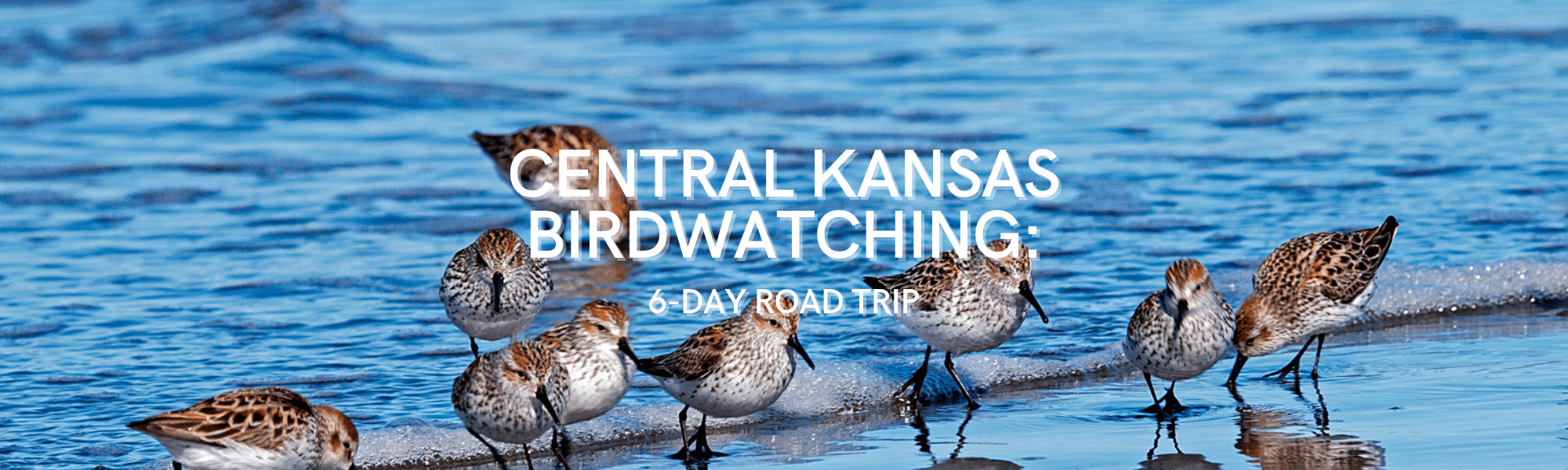
Central Kansas Birdwatching: 6-Day Road Trip
Kansas might not be the first place that comes to mind when planning a birdwatching trip, but its location along one of North America’s major migration routes makes it an incredible destination for birders.
From wetlands filled with migrating birds to rolling prairies, peaceful lakes, and charming small towns, Central Kansas birdwatching offers plenty of opportunities to enjoy nature and the outdoors.
We spent six days exploring Central Kansas in October, starting and ending in Wichita. Birdwatching was our main focus, but we also enjoyed hiking, scenic drives, exploring small towns, and staying in some wonderful countryside accommodations.
Our trip included some of the best-known Kansas wildlife refuges, including Cheyenne Bottoms and Quivira National Wildlife Refuge, along with Maxwell Wildlife Refuge, Marion Reservoir, and Tallgrass Prairie National Preserve.
If you’re looking for a Kansas birdwatching itinerary that combines migrating birds with outdoor adventures, this six-day Kansas road trip itinerary will help you plan your own visit.
Disclaimer: This post may include affiliate links. If you click one of them, I may receive a small commission at no extra cost to you.
Why Central Kansas Is Important for Bird Migration
One of the biggest reasons we chose Central Kansas for our road trip was its location along the Central Flyway. This major North American migration corridor makes bird migration in Kansas particularly exciting, with millions of birds traveling through the region every spring and fall.
Birds travel along this corridor between their breeding grounds in Canada and the northern United States and their wintering grounds farther south, including the southern United States, Mexico, and Central and South America.
Kansas sits along this migration route, making it an important stopping point for birds traveling thousands of miles.
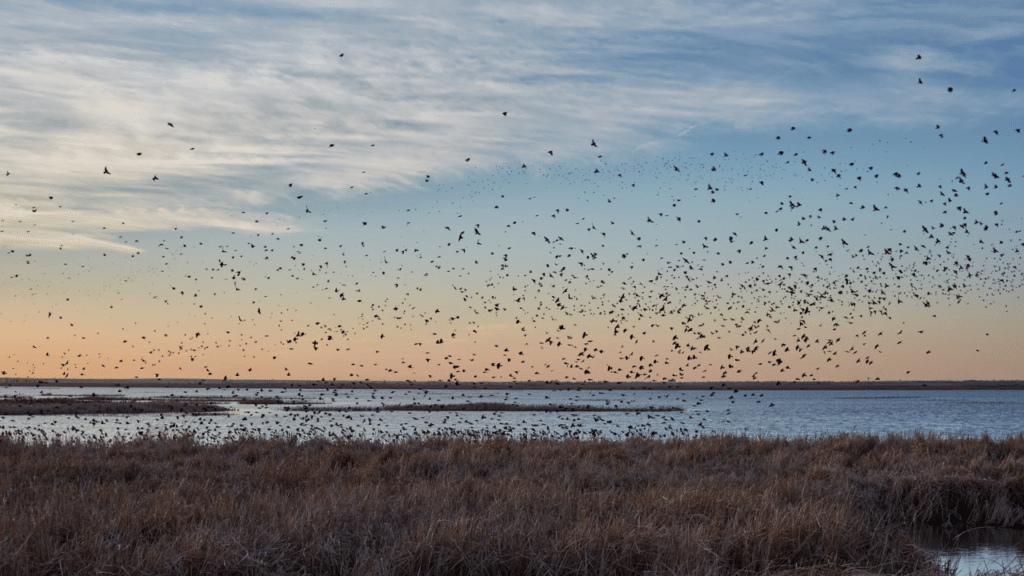
Wetlands such as Cheyenne Bottoms and Quivira National Wildlife Refuge provide essential places for migrating birds to rest and feed before continuing their journeys.
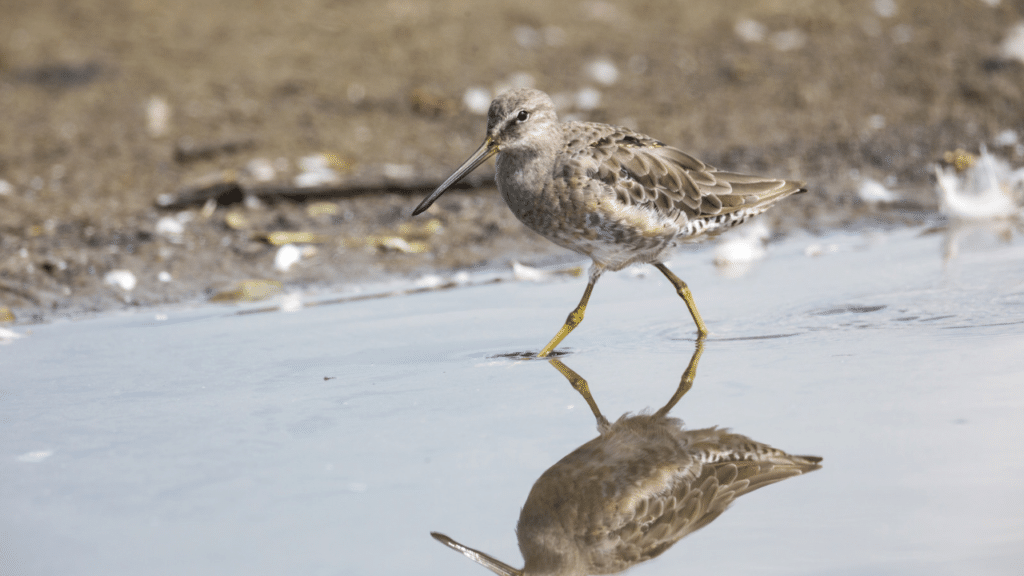
These two destinations were a major focus of our trip because of the opportunities to see migrating shorebirds, waterfowl, and other wetland species.
But birdwatching in Central Kansas isn’t limited to wetlands. The region’s prairies, grasslands, lakes, and wooded areas provide habitats for a completely different variety of birds.
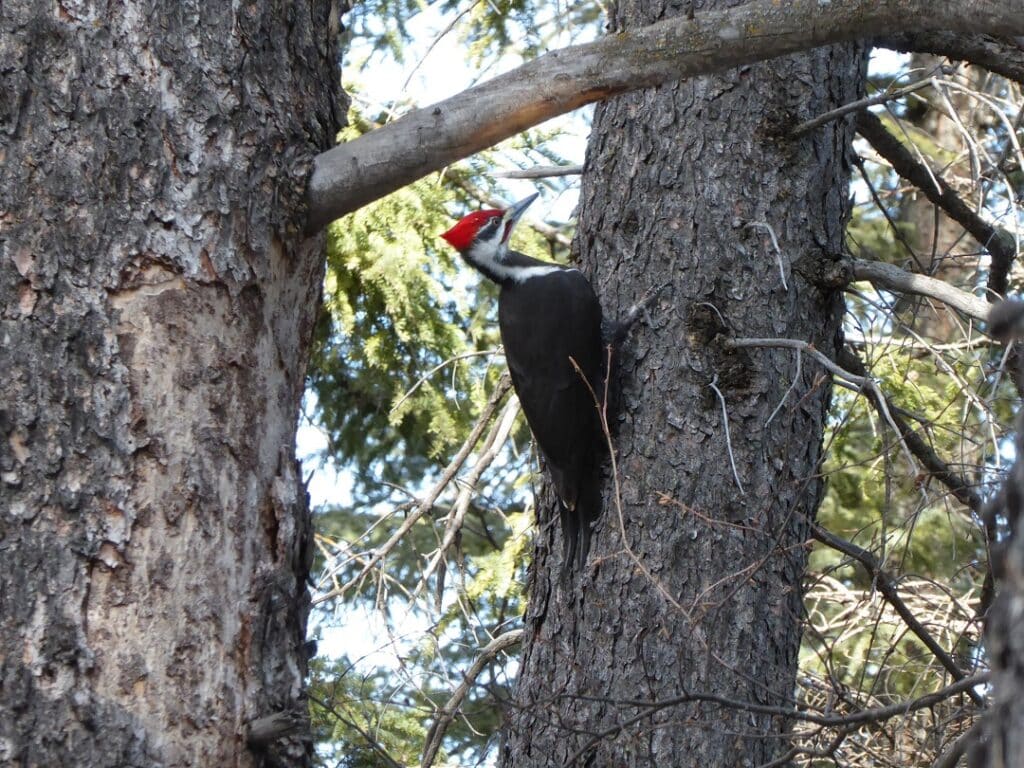
Places like Maxwell Wildlife Refuge, Marion Reservoir, and Tallgrass Prairie National Preserve offered opportunities to see raptors, meadowlarks, woodpeckers, and other species while enjoying the Kansas countryside.
Spring vs. Fall Bird Migration in Kansas
Both spring and fall are excellent times for birdwatching in Kansas, but there are some differences worth considering when planning your trip.
Spring migration, generally March through May, brings birds traveling north toward their breeding grounds. Shorebirds, ducks, geese, and other migrating species stop at Kansas wetlands to rest and refuel. Spring is also a wonderful time to see grassland birds returning to the prairie. Many species begin singing and establishing territories, making them easier to locate and identify.
Fall migration, generally August through November, brings birds traveling south toward their wintering grounds. Shorebirds can begin moving through Kansas in late summer, while waterfowl migration often becomes more noticeable later in the fall. Raptors also move through the region, offering opportunities to watch hawks and harriers over the grasslands.
We visited in October and enjoyed seeing migrating birds at Cheyenne Bottoms and Quivira National Wildlife Refuge, along with different species at the prairie and lake destinations.
One important thing to remember is that bird activity depends on weather, migration timing, and water levels. Even during peak migration, conditions at individual wetlands can vary considerably. If you’re planning a trip specifically for birdwatching, I’d recommend checking recent sightings on eBird before you go.
Birdwatching in Central Kansas Beyond the Wetlands
Although Cheyenne Bottoms and Quivira National Wildlife Refuge were our main birdwatching destinations, one of the things I loved about this trip was the variety of habitats we experienced.
At the wetlands, we focused on waterbirds, shorebirds, and migrating species. These were the places where we spent more time looking for birds and identifying what we saw. As we continued through Central Kansas, the birdwatching experience changed.
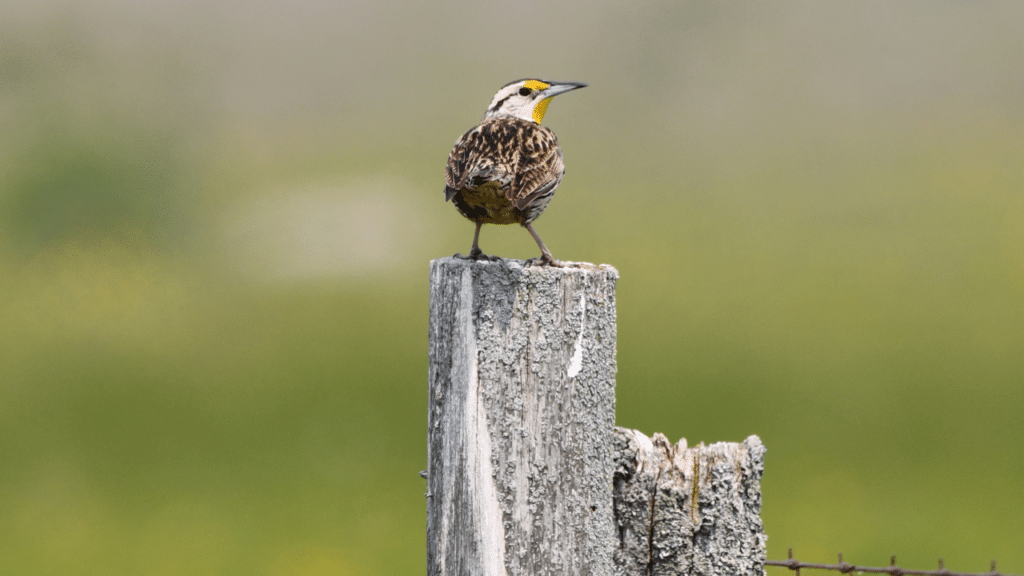
At Maxwell Wildlife Refuge, McPherson State Fishing Lake, and Marion Reservoir, we encountered a combination of grassland birds, raptors, and waterbirds. We saw everything from Eastern Meadowlarks and Red-tailed Hawks to American White Pelicans and Double-crested Cormorants.
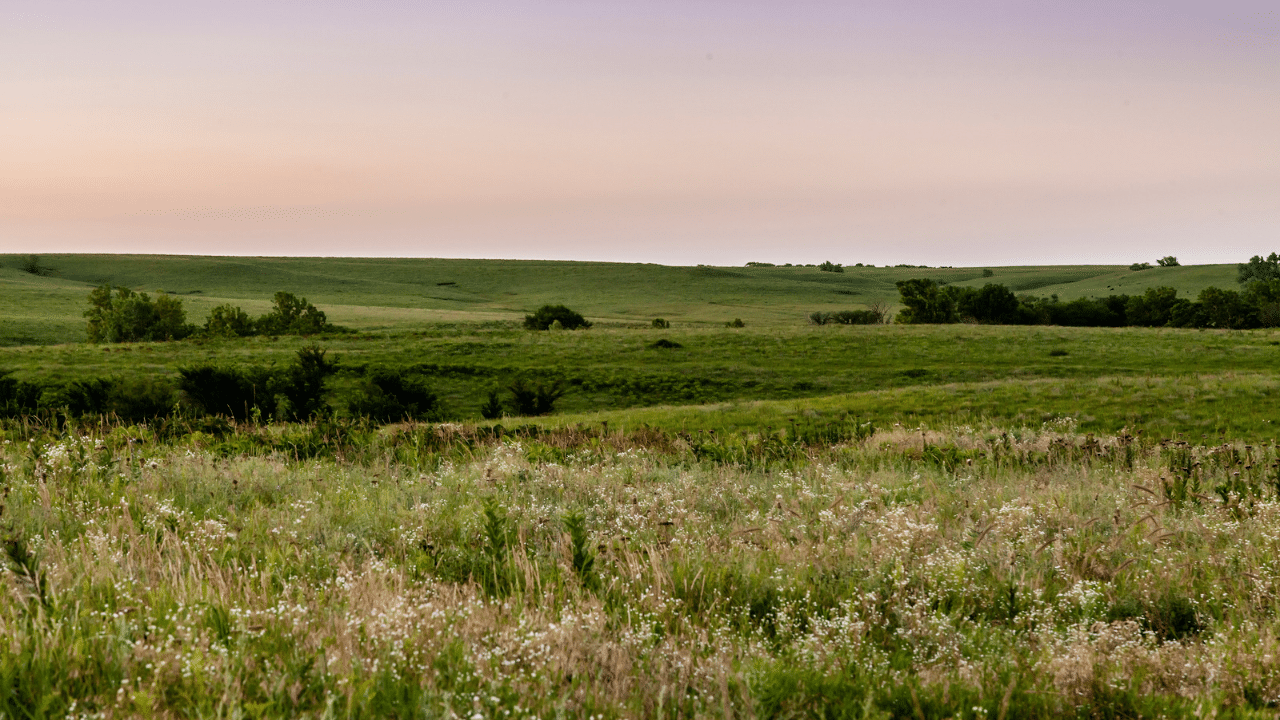
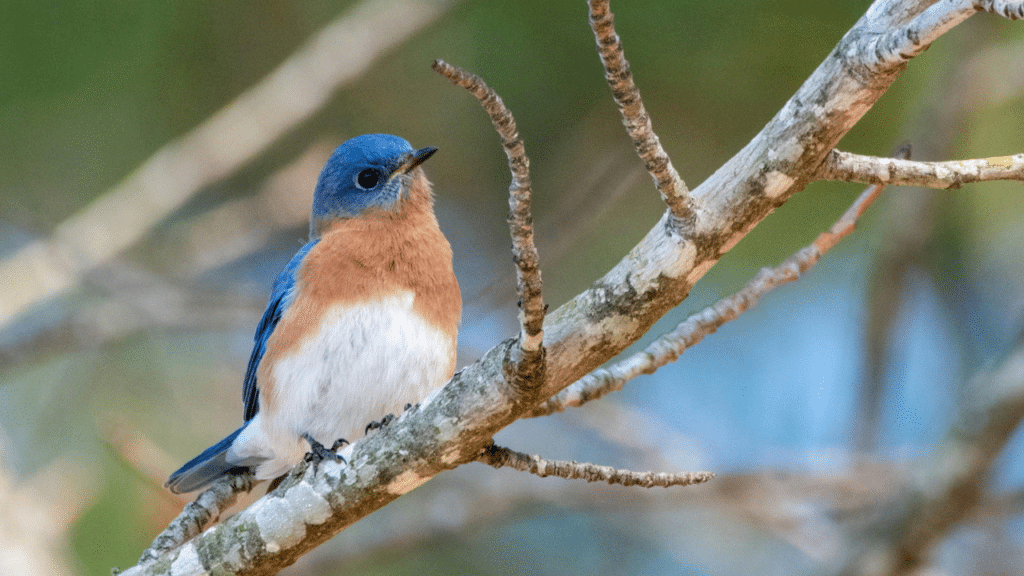
Tallgrass Prairie National Preserve offered another experience, with open grasslands that provide habitat for prairie birds and hunting raptors. Our visit was particularly windy, so we identified only seven species there, including Northern Harriers, Eastern Meadowlarks and Eastern Bluebirds.
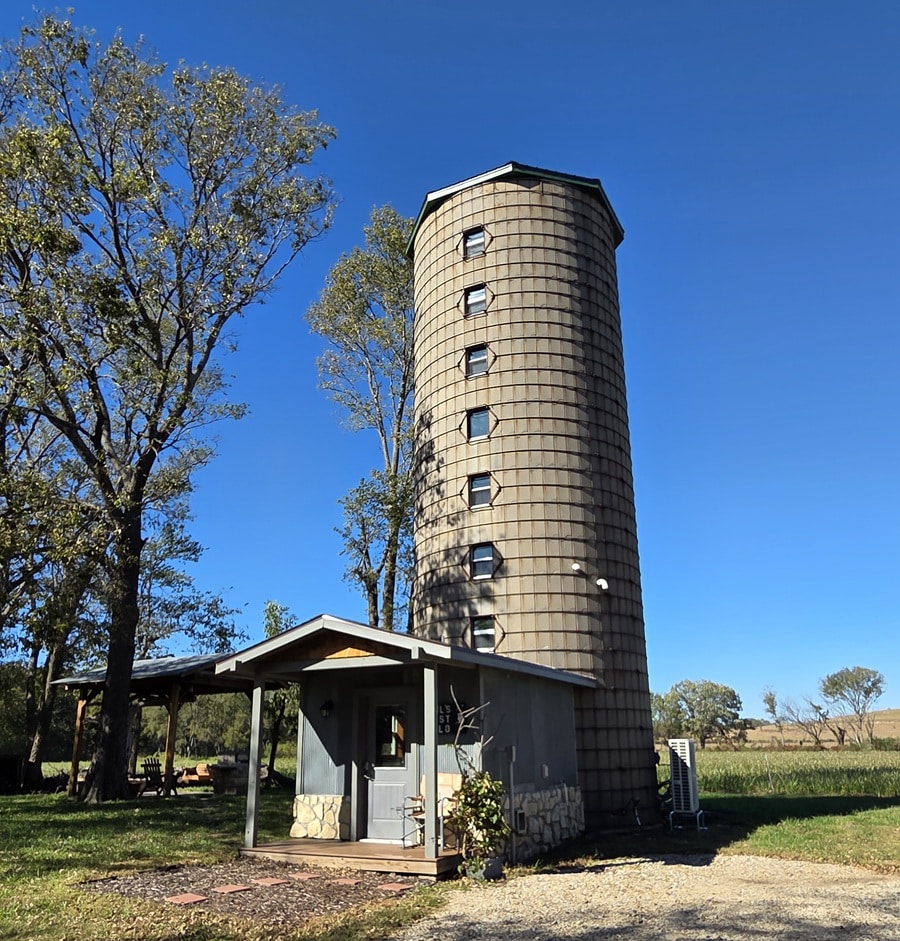
Interestingly, some of our best birdwatching away from the refuges happened at Owl’s Nest Silo, our accommodation near Elmdale. We identified 16 species around the property, including my favorite, the Tufted Titmouse.
That variety is what made our Central Kansas birdwatching experience so enjoyable. We weren’t just visiting one type of habitat or looking for one group of birds. We were experiencing the different landscapes of Kansas and seeing how each supported its own wildlife.
6-Day Central Kansas Birdwatching Itinerary
With birdwatching as our main focus, we planned a route that combined the major wetland refuges with scenic drives, prairie hikes, peaceful lakes, and small towns.
Here’s how we spent our six days exploring Central Kansas, starting in Wichita.
Day 1 – Arriving in Wichita
We started our Kansas road trip in Wichita, the state’s largest city and a convenient gateway to Central Kansas.
Wichita has plenty to offer beyond being a starting point for a road trip, including parks, museums, restaurants, and outdoor attractions. If you have time before heading out to the wildlife refuges, it’s worth spending some time exploring the city.

Day 2 – Cheyenne Bottoms
Our first major birdwatching destination was Cheyenne Bottoms, located near Great Bend. This enormous wetland is one of the most important stopover locations for migrating shorebirds and waterfowl in North America, making Cheyenne Bottoms birdwatching a highlight of any Central Kansas trip.
We spent time driving through the wetlands and stopping to observe birds, while also visiting the Kansas Wetlands Education Center. Cheyenne Bottoms was one of the highlights of our trip and a destination I’d highly recommend for anyone interested in bird migration.
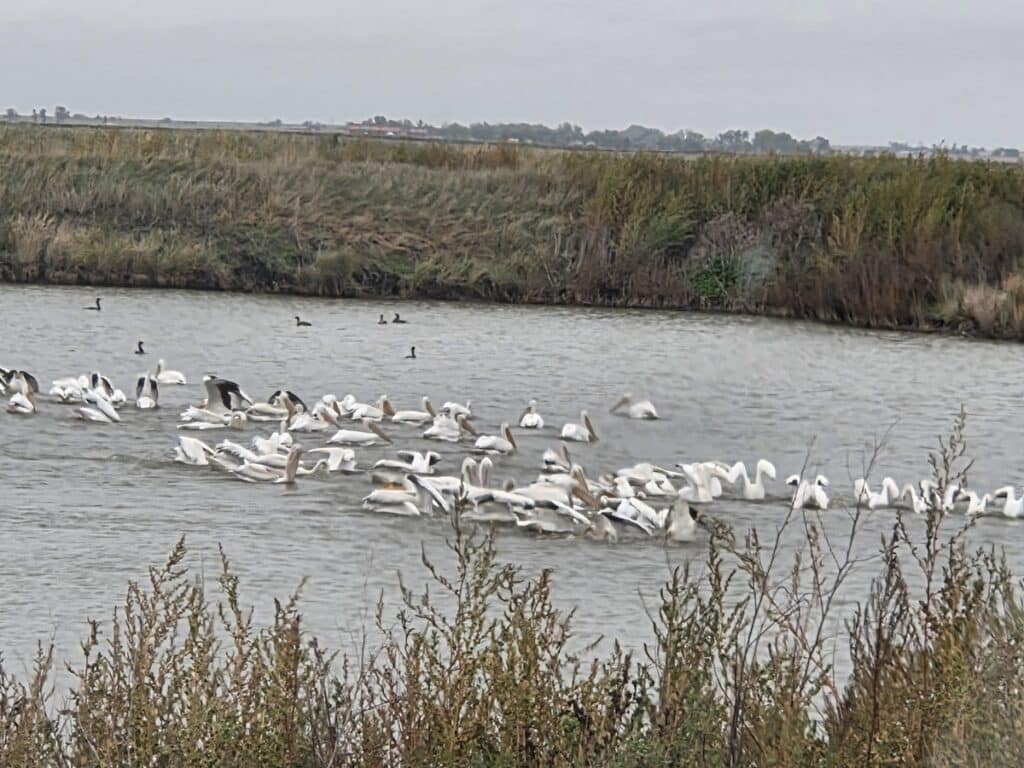
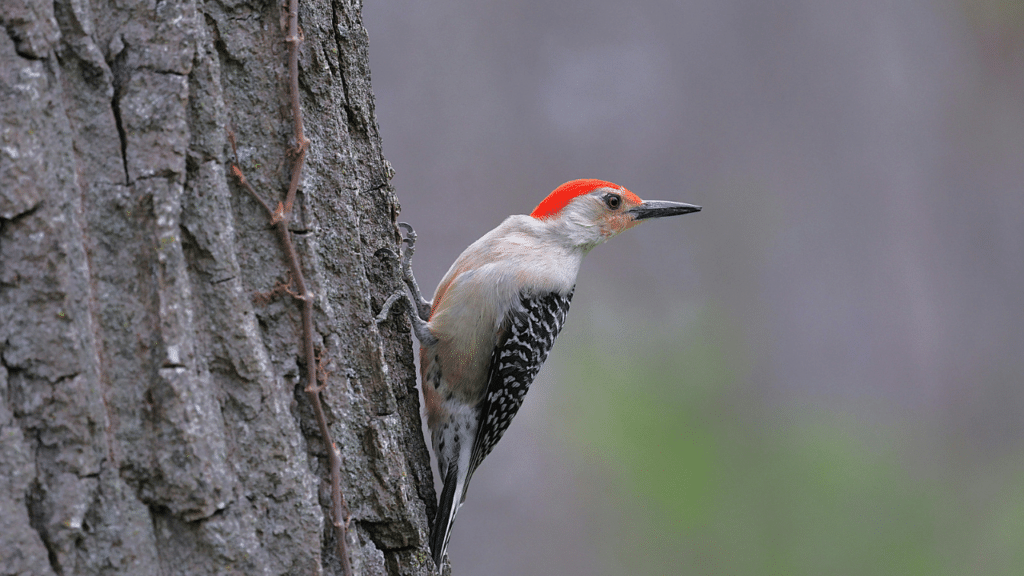
Where to stay: We stayed at the Farmhouse on Plum Creek in Bushton, a peaceful countryside accommodation and was able to spot some birds including Red-Bellied Woodpeckers.
Day 3 – Quivira National Wildlife Refuge
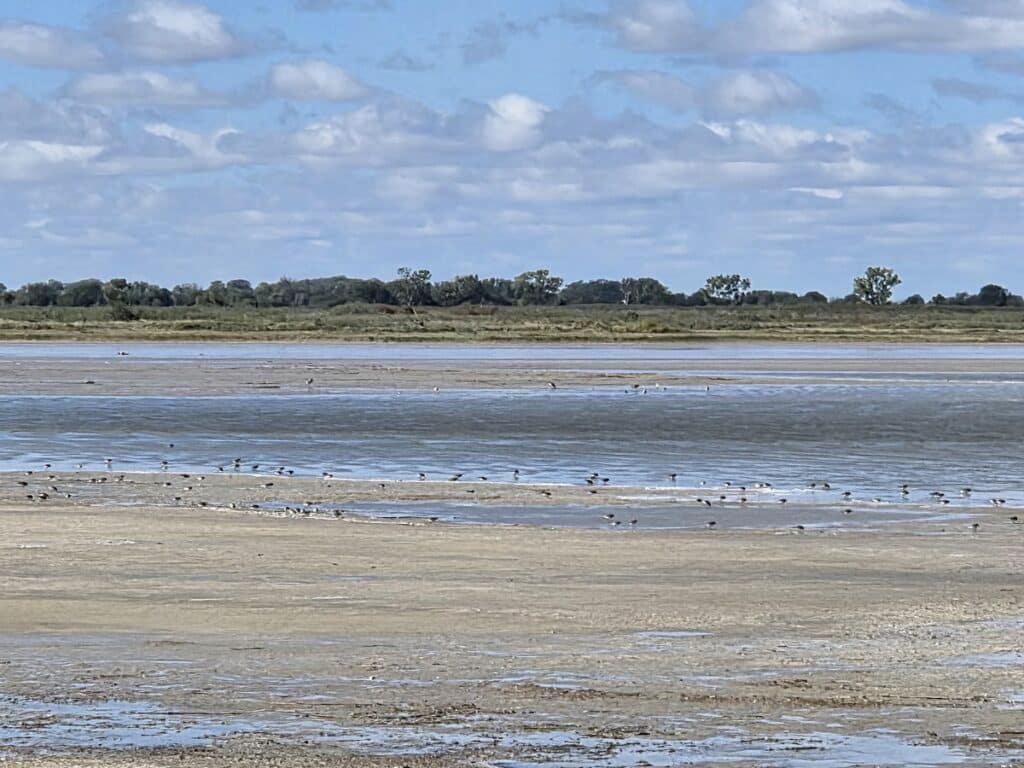
Next, we visited Quivira National Wildlife Refuge, another major stop along the Central Flyway. Its salt marshes, wetlands, and grasslands attract migrating birds, making it one of the best birdwatching destinations in Kansas.
We explored several areas of the refuge, including the Big Salt Marsh, Little Salt Marsh, and Migrants Mile Nature Trail. Although some areas were dry during our October visit, we still identified 34 bird species and enjoyed the variety of habitats.
Where to stay: We stayed at Sterling Lake House in Sterling, a convenient base for visiting Quivira.
Day 4 – Maxwell Wildlife Refuge and Marion Reservoir
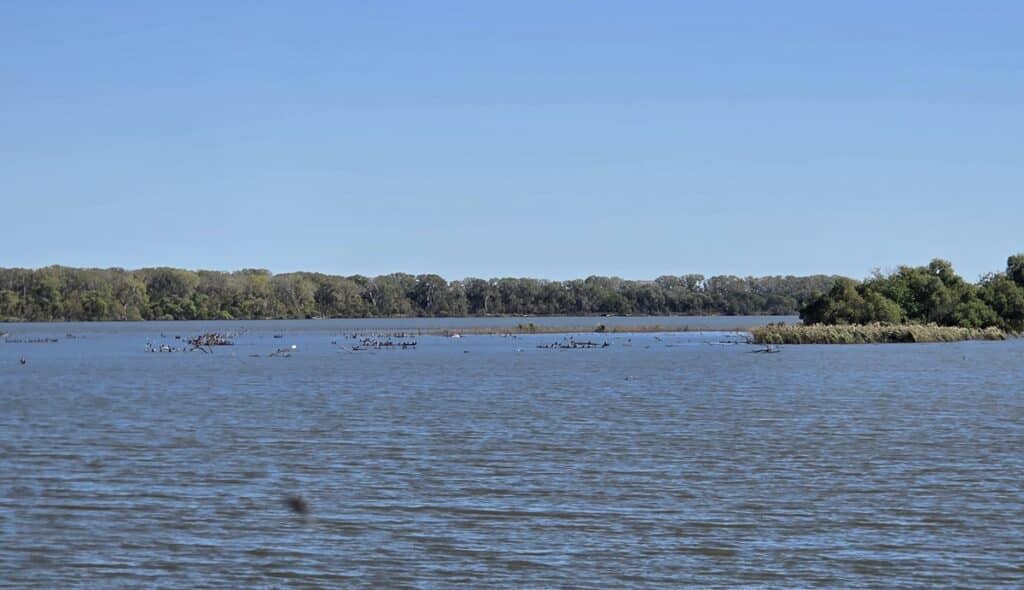
Our next day took us along the Prairie Trail Scenic Byway, where we visited Maxwell Wildlife Refuge, McPherson State Fishing Lake, and Marion Reservoir.
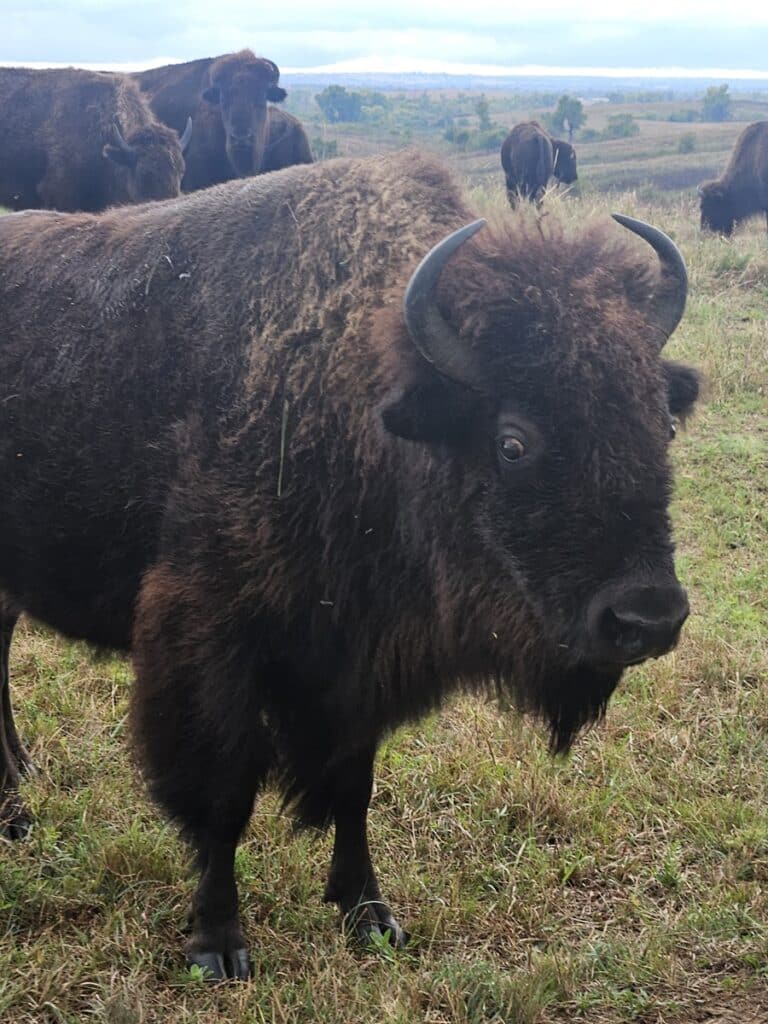
This part of our trip was more about enjoying the outdoors than intensive birdwatching. Maxwell is known for its native prairie and bison, while the lakes offered peaceful scenery, opportunities to see waterbirds, and beautiful places to spend time in nature.
Where to stay: We stayed at Den Creek Ranch Western Bunkhouse near Cottonwood Falls.
Day 5 – Tallgrass Prairie National Preserve
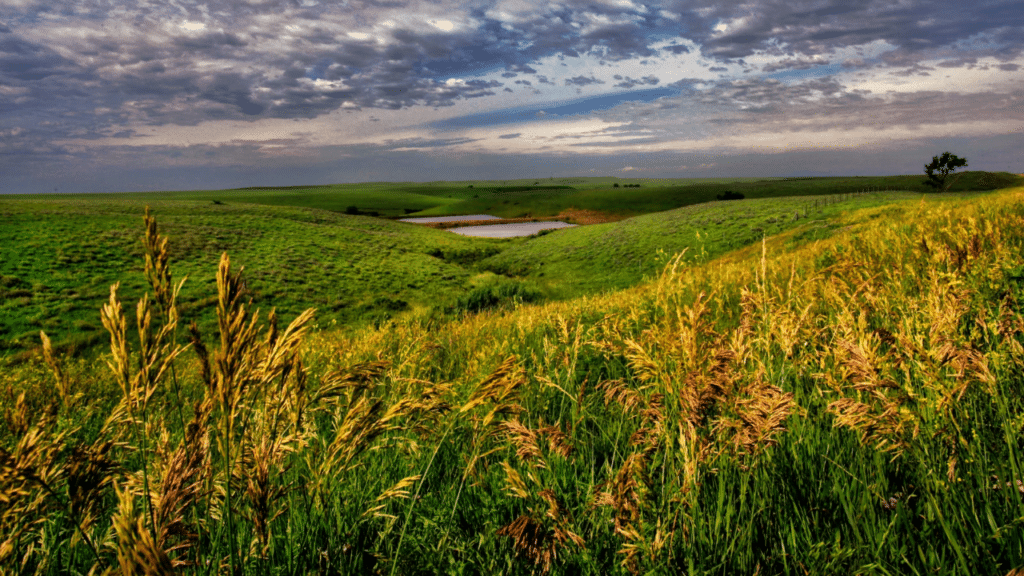
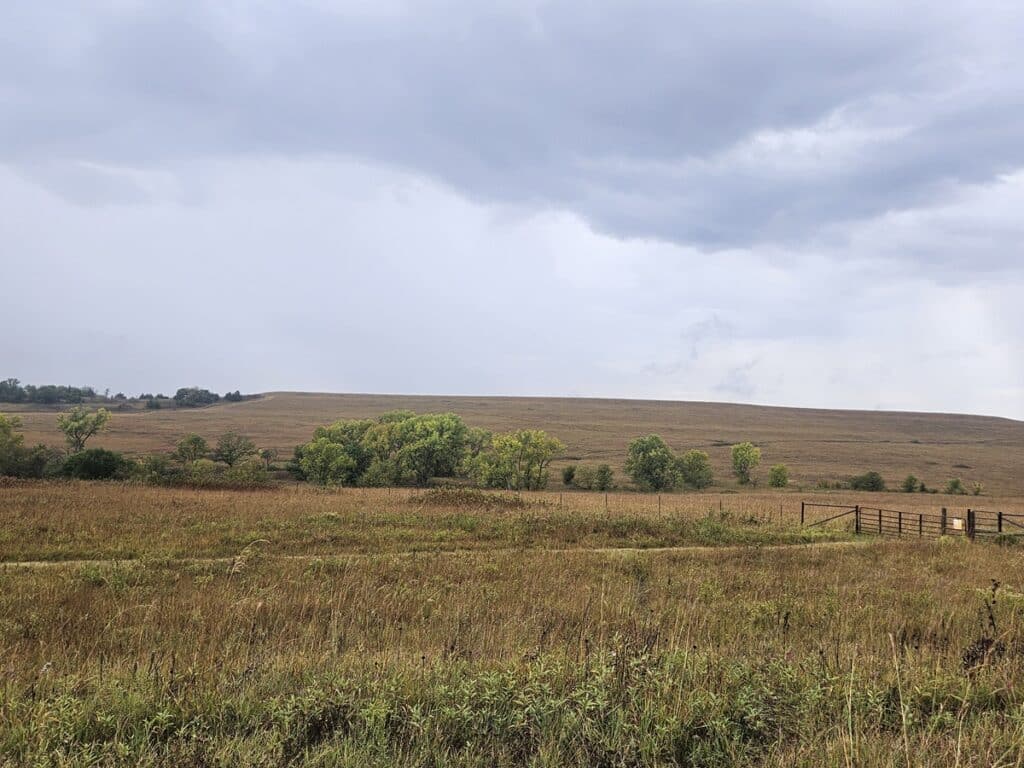
We continued into the Kansas Flint Hills to visit Tallgrass Prairie National Preserve, which protects one of the last remaining areas of native tallgrass prairie in North America.
We visited the information-filled visitor center and hiked the Southwind Nature Trail, part of Fox Creek Trail, and Bottomland Nature Trail. Although strong winds limited our bird sightings, we enjoyed the rolling prairie landscapes and spotted a Northern Harrier and other grassland birds.
Where to stay: We stayed at Owl’s Nest Silo in Elmdale, an incredible converted grain silo where we identified 16 bird species.
Day 6 – Cottonwood Falls and the Kansas Flint Hills
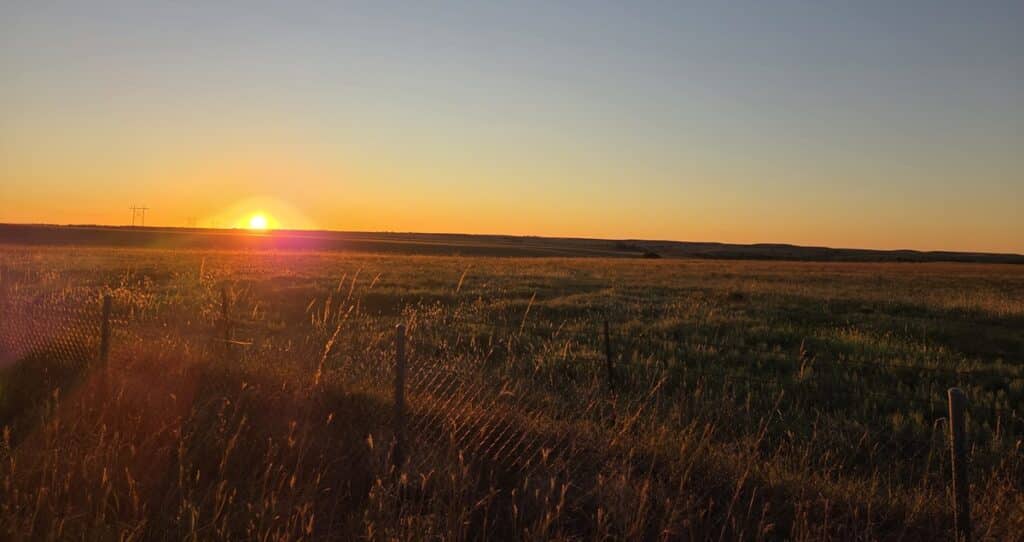
For the final part of our trip, we enjoyed the scenery and small-town atmosphere of the Kansas Flint Hills before returning to Wichita. Cottonwood Falls is a lovely place to experience small-town Kansas, with historic architecture, local establishments, and beautiful countryside nearby. We enjoyed visiting the town during our trip, including a stop at The Doghouse Saloon.
Where to stay: Clover Cliff Ranch is another wonderful accommodation I’ve enjoyed on a previous visit.
Best Time of Year to Visit Central Kansas
Although spring and fall are the main migration seasons, Central Kansas offers different experiences throughout the year.
Spring, March through May, generally brings mild temperatures, returning grassland birds, and spring migration through the wetlands. However, thunderstorms, strong winds, and severe weather are possible.
Summer, June through August, brings green prairie landscapes, wildflowers, and breeding birds. Temperatures can be hot and humid, so plan hikes early in the morning and carry plenty of water.
Fall, September through November, offers southbound migration, changing prairie colors, and often comfortable hiking temperatures. We visited in October and enjoyed the season, although we experienced some particularly strong winds.
Winter, December through February, can bring wintering waterfowl and raptors, but temperatures may fall below freezing, with snow, ice, and cold winds.
For a Central Kansas birdwatching trip, I’d recommend spring or fall if seeing migrating birds is your main priority.
FAQs About Birdwatching in Central Kansas
Final Thoughts on Central Kansas Birdwatching
Our six-day road trip showed us just how much Central Kansas birdwatching has to offer, from migrating shorebirds and waterfowl to grassland birds and raptors. Cheyenne Bottoms and Quivira National Wildlife Refuge were the highlights for birdwatching, but we also loved the peaceful lakes, scenic drives, and hiking trails throughout the Kansas Flint Hills.
Staying in unique countryside accommodations, especially Owl’s Nest Silo, made the trip even more memorable. If you enjoy birdwatching, wildlife, and exploring the outdoors, Central Kansas is a destination I’d highly recommend adding to your travel plans.
If you enjoyed my post, follow me on social media or subscribe to my newsletter below so you can stay connected on future posts, trips, tips, and more.
