


Cheyenne Bottoms Birdwatching in Kansas
If you love birdwatching, wildlife, and spending time in nature, Cheyenne Bottoms in Kansas deserves a spot on your travel itinerary. This massive wetland is one of the most important bird migration areas in North America, attracting hundreds of bird species throughout the year.
During a six-day birdwatching road trip around south central Kansas in October, Cheyenne Bottoms was one of the places I was most looking forward to visiting. We left Wichita, drove through some storms, and spent the night nearby before dedicating the next day to birdwatching.
The weather wasn’t exactly cooperative. It was cold and windy, but that didn’t stop us from seeing an impressive number of birds, including more American Coots gathered in one place than I’d ever seen before.
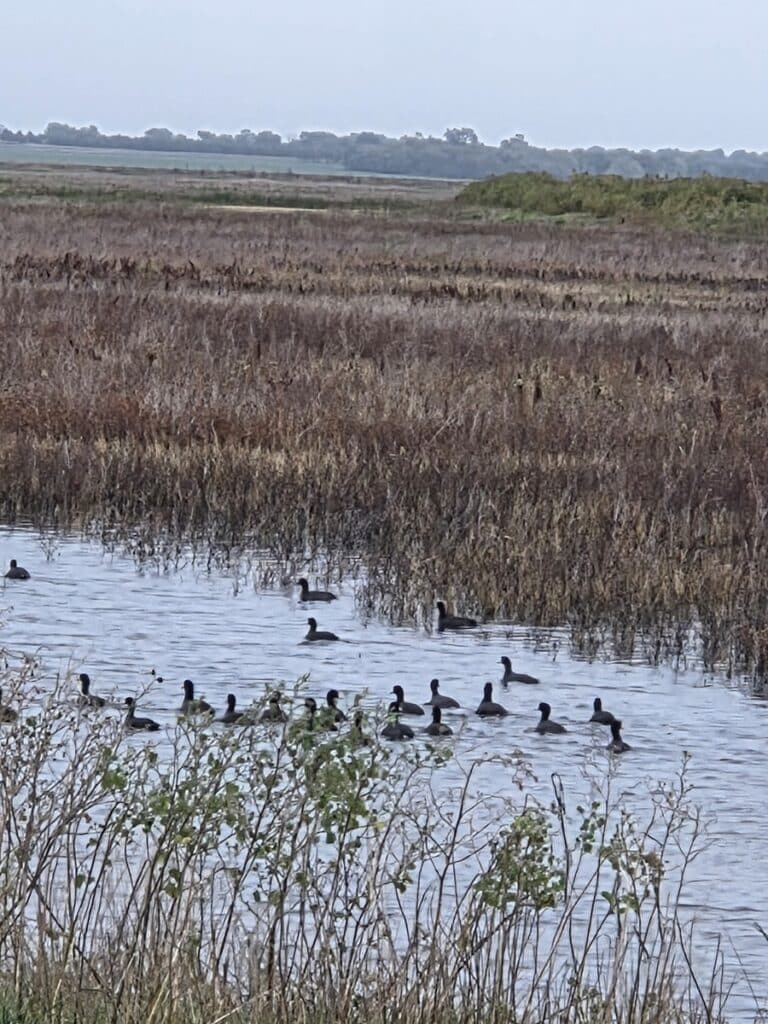
We identified 40 bird species during our visit, including hundreds of gulls, pelicans, ducks, and other waterbirds.
If you’re planning your own Cheyenne Bottoms birdwatching trip, here’s what you need to know about the wetlands, the best places to stop, when to visit, and what birds you might see.
Disclaimer: This post may include affiliate links. If you click one of them, I may receive a small commission at no extra cost to you.
Where Is Cheyenne Bottoms in Kansas?
Cheyenne Bottoms is located in central Kansas, near Great Bend and Hoisington in Barton County. It’s less than two hours northwest of Wichita, making it a great destination for a day trip or part of a longer Kansas road trip.
The wetlands cover a basin of approximately 41,000 acres, with the Cheyenne Bottoms Wildlife Area and The Nature Conservancy’s Cheyenne Bottoms Preserve protecting important portions of the habitat.
You can access the area from several directions, and a network of roads allows you to drive around the wetlands, stopping at observation points and birdwatching areas along the way.
Approximate driving distances include
- Wichita to Cheyenne Bottoms is 120 miles, approximately two hours.
- Great Bend to Cheyenne Bottoms is approximately 10 to 15 miles, depending on which entrance you’re visiting.
- Kansas City to Cheyenne Bottoms is approximately 250 miles, or four hours.
- Topeka to Cheyenne Bottoms is approximately 200 miles, or three hours.
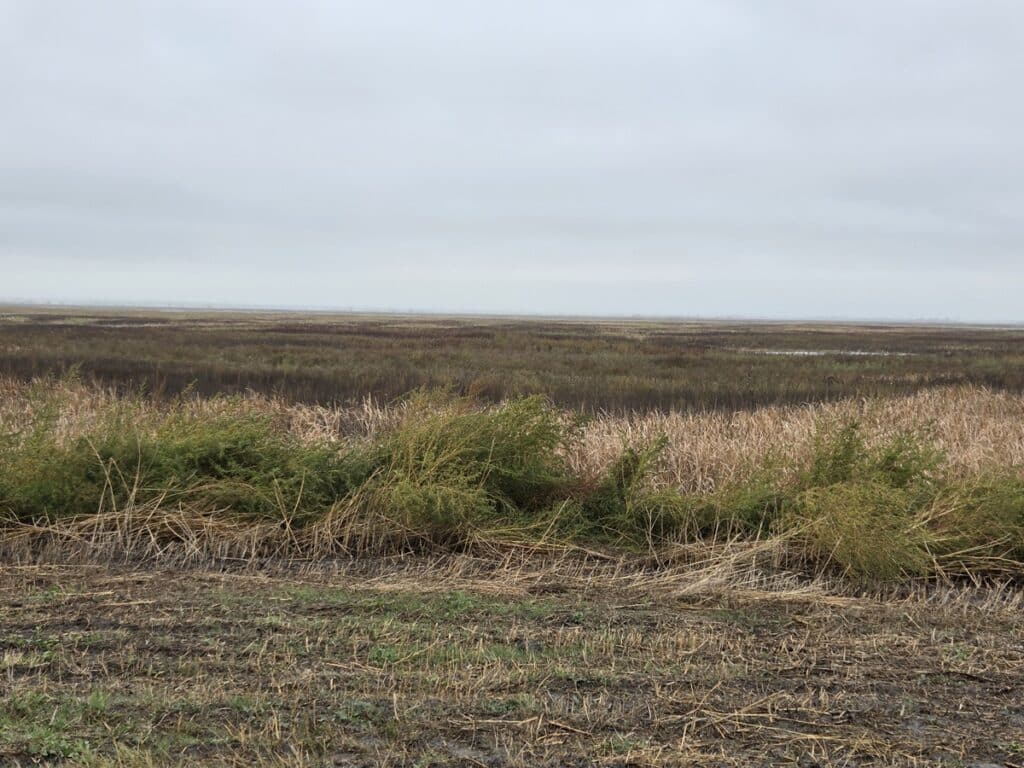
Why Is Cheyenne Bottoms So Important?
Cheyenne Bottoms is one of the largest inland wetland systems in the United States and an important resting and feeding area for migratory birds.
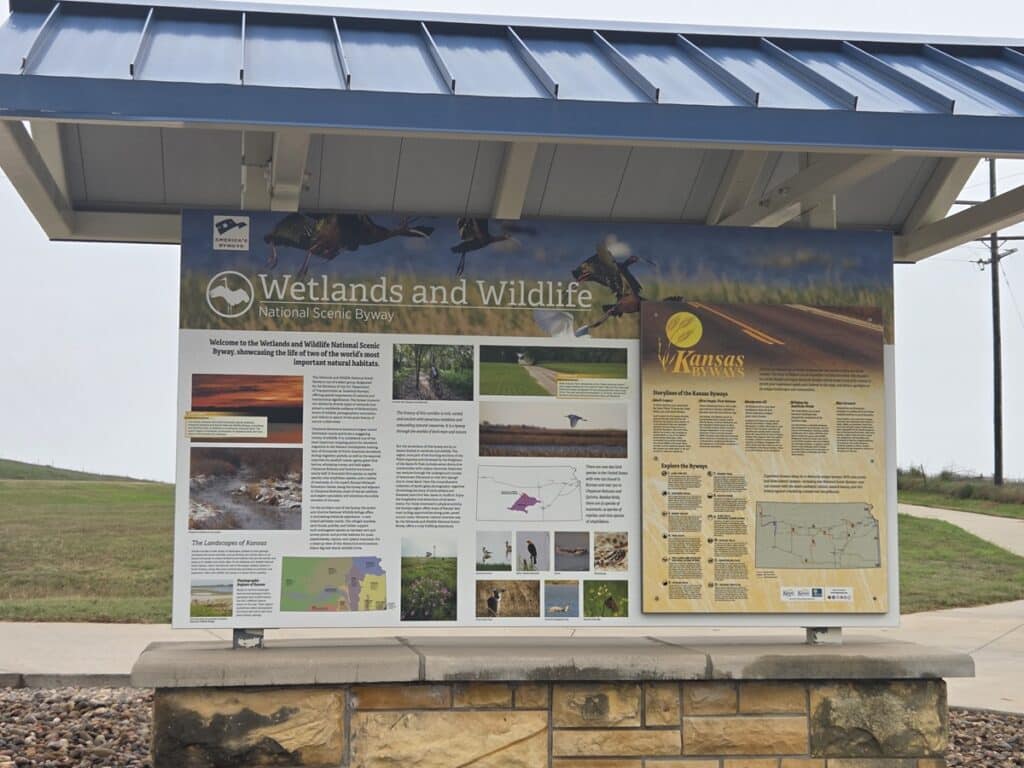
Located along the Wetlands and Wildlife National Scenic Byway, it is one of North America’s major bird migration routes; the wetlands provide habitat for birds traveling between their breeding grounds in northern North America and wintering areas farther south.
More than 350 bird species have been recorded at Cheyenne Bottoms, including shorebirds, ducks, geese, pelicans, herons, and birds of prey.
The History and Preservation of Cheyenne Bottoms
Cheyenne Bottoms is a natural basin that has collected water for thousands of years. Historically, rainfall and runoff filled the wetlands, while periods of drought caused portions of the basin to dry out.
As settlement and agriculture expanded across Kansas, changes to the surrounding landscape affected how water flowed into the basin.
In the 1950s, Kansas began developing a managed wildlife area, constructing dikes, pools, and water control structures to help maintain wetland habitat.
Today, the Kansas Department of Wildlife and Parks manages the Cheyenne Bottoms Wildlife Area, while The Nature Conservancy protects additional land within the basin.
Water management remains an important part of preserving this habitat, although rainfall, drought, and seasonal conditions continue to influence water levels.
One thing to remember when visiting Cheyenne Bottoms is that water levels can change considerably. Some areas may have extensive open water, while others may be dry.
This is part of the natural wetland cycle, and it can influence which birds you’ll find during your visit.
Birdwatching at Cheyenne Bottoms
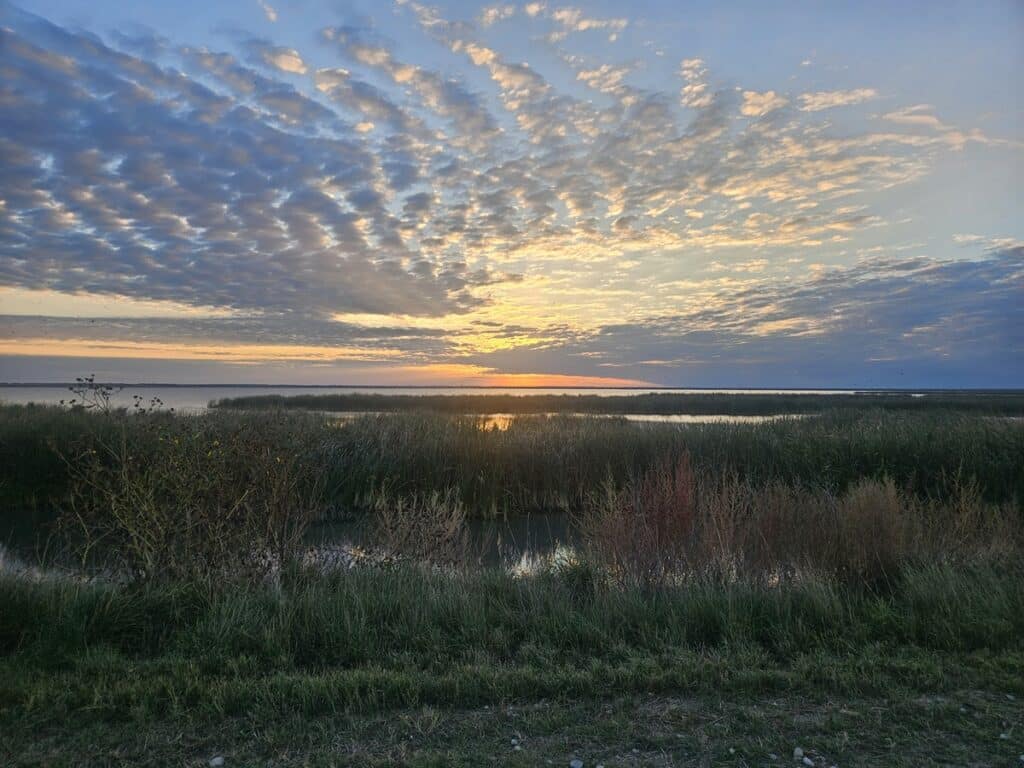
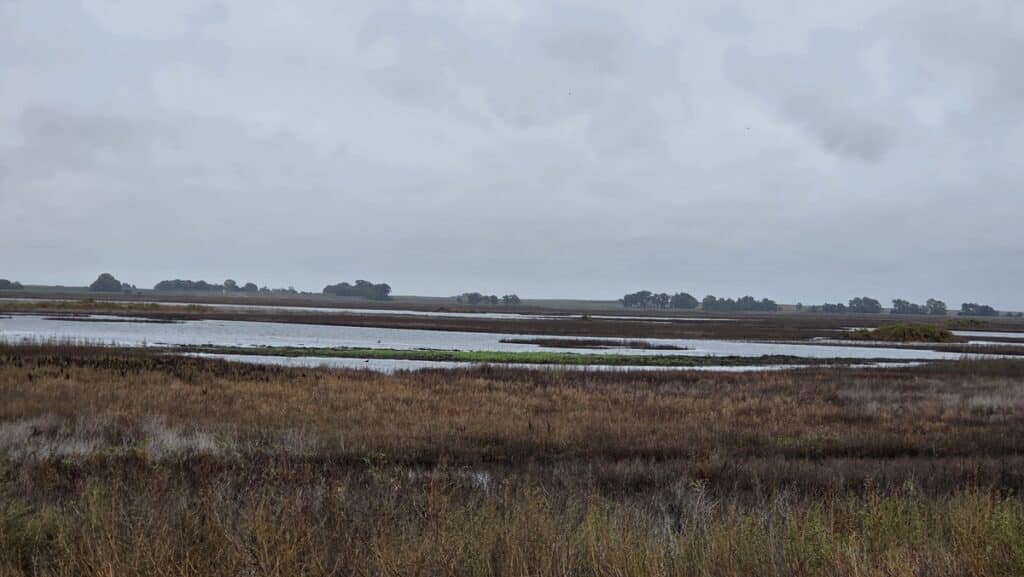
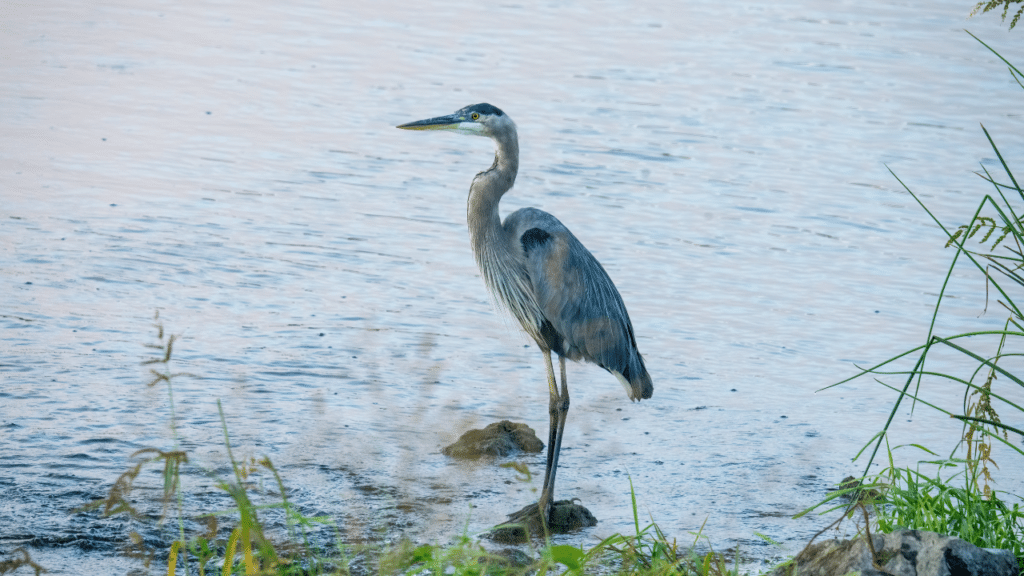
One of the biggest reasons to visit Cheyenne Bottoms is the opportunity to see migrating birds, sometimes in impressive numbers. The wetlands provide feeding and resting habitat for shorebirds, waterfowl, wading birds, and other species traveling along the Central Flyway in Kansas. Depending on the season, you might encounter large flocks of ducks and geese, American White Pelicans, sandpipers, avocets, herons, and a variety of raptors.
Birds at Cheyenne Bottoms That We Saw
During our October visit, we identified 40 different bird species across the various areas we visited.
The biggest surprise for me was the number of American Coots. We counted approximately 500 together, which was something I’d never experienced before.
Other highlights included:
- 400 Franklin’s Gulls gathered across the wetlands.
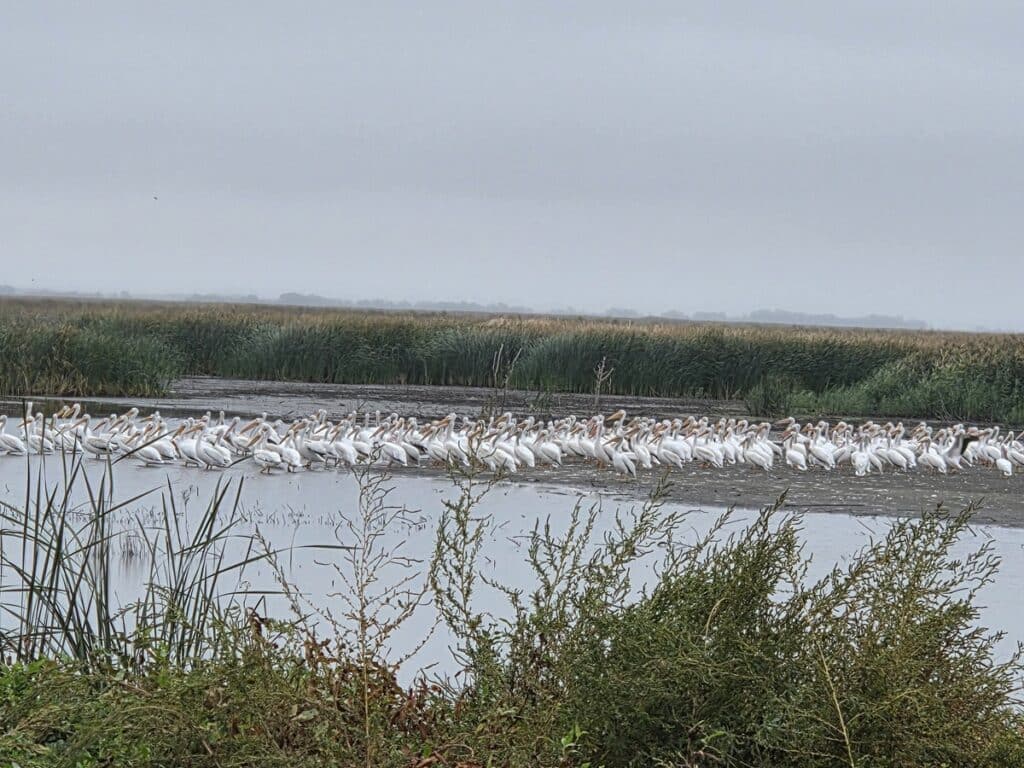
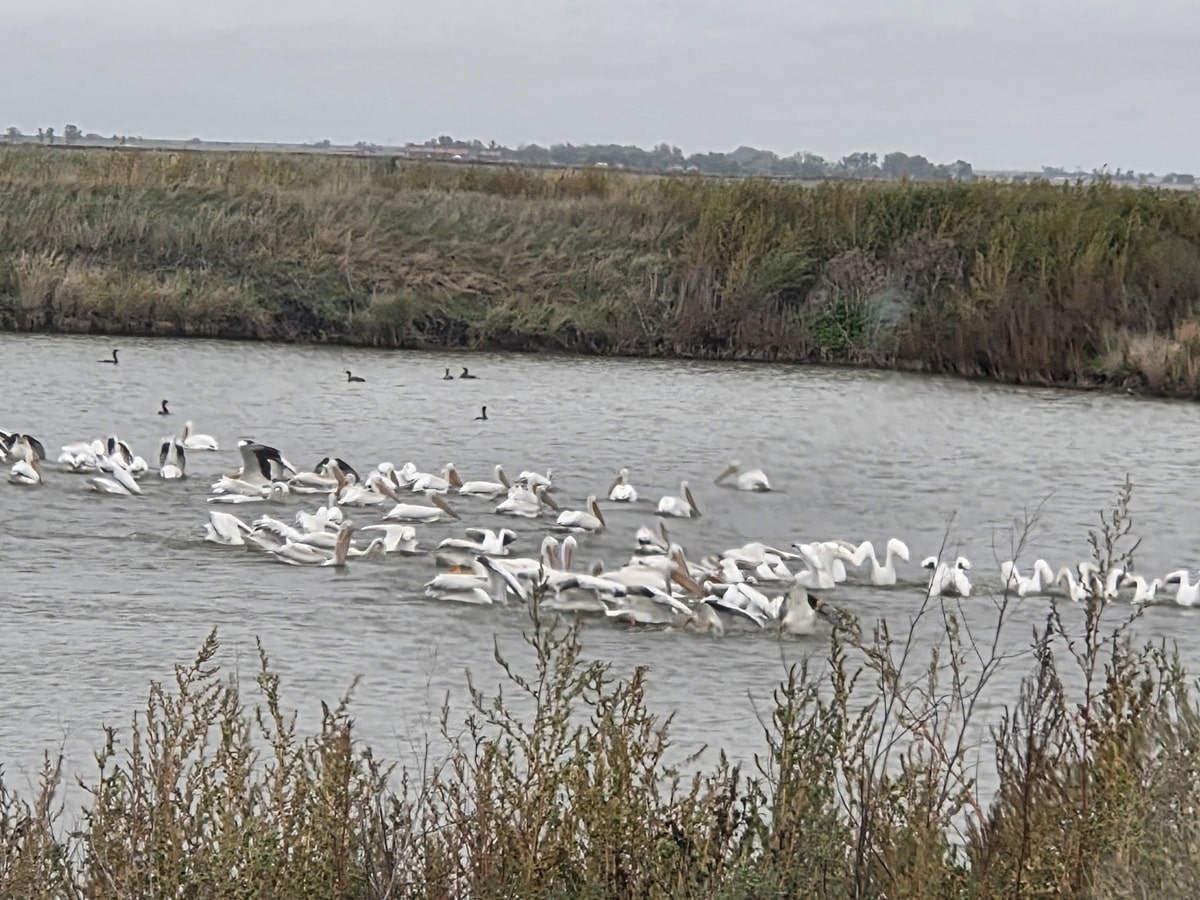
- 200 American White Pelicans, an impressive sight given their size.
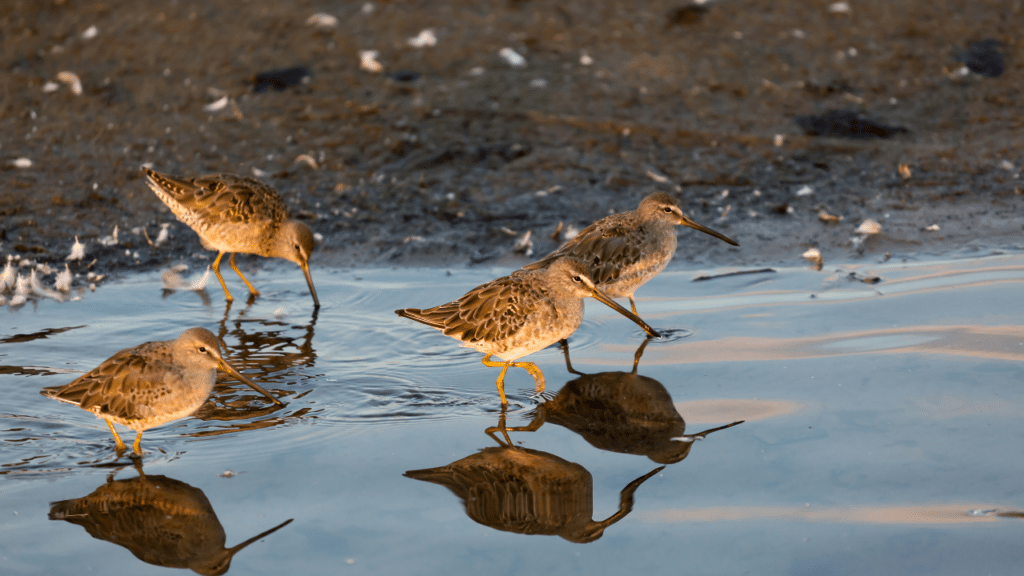
- American Avocets and Long-billed Dowitchers feeding in shallow water.
- White-faced Ibis, Great Egrets, Snowy Egrets, and several species of herons.
- Northern Harriers, Cooper’s Hawks, and Red-tailed Hawks.
- Blue-winged Teal, Northern Shovelers, Ruddy Ducks, and other waterfowl.
- Yellow-headed Blackbirds and Red-winged Blackbirds.
Although we encountered some shorebirds, there weren’t as many as I’d hoped to see. I’ll admit that shorebirds aren’t my strongest group when it comes to identification, so perhaps that wasn’t entirely a bad thing. Still, I would have loved to see more of them.
Watching hundreds of birds spread across the wetlands was a reminder of why Cheyenne Bottoms bird migration is so important.
What Other Birds Can You See at Cheyenne Bottoms?
With more than 350 species recorded, the variety of birds you might encounter is impressive.
Some species to watch for, depending on the season, include:
- Sandhill Cranes
- Snow Geese
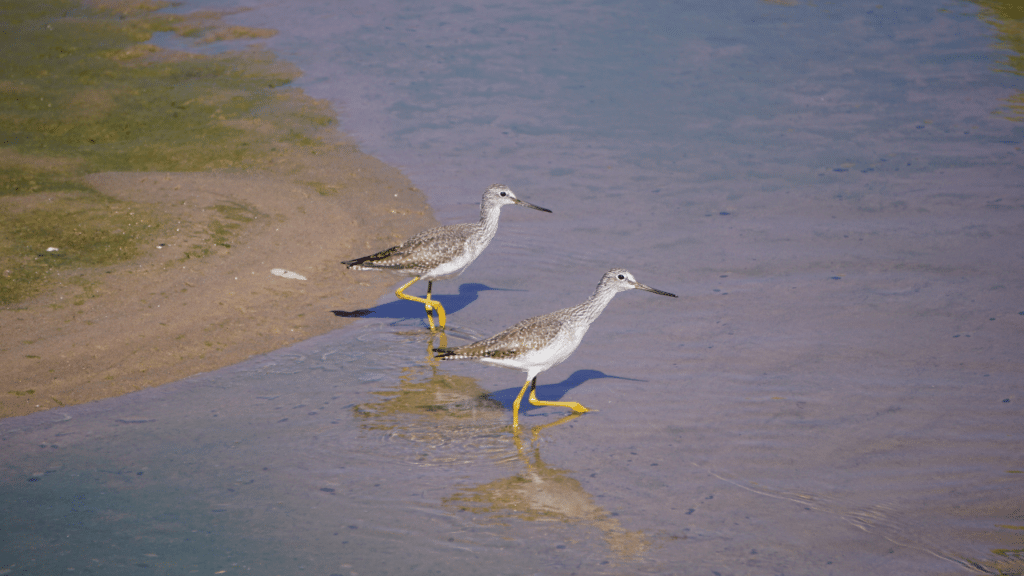
- Greater and Lesser Yellowlegs
- Stilt Sandpipers
- Wilson’s Phalaropes
- Semipalmated Sandpipers
- Various warblers and sparrows
- Bald Eagles during the colder months
Cheyenne Bottoms is also an important stopover for migrating shorebirds, including species traveling remarkable distances between the Arctic and South America.
You don’t have to be an experienced birder to enjoy the area. Even if you’re just getting started, watching the different birds feeding, resting, and interacting in the wetlands is worth the trip.
Driving the Cheyenne Bottoms Scenic Drive
We arrived in the area the evening before and stayed at a farmhouse in Bushton, approximately 15 minutes from Cheyenne Bottoms. The next morning, we set out to visit the different observation areas and drive through the wetlands. The wind was strong, and temperatures were cooler than we’d hoped, but we still had an excellent day.
One of the best ways to experience Cheyenne Bottoms is simply to drive through the wildlife area and stop at different observation points. The roads pass through wetland habitat, providing opportunities to see birds from your vehicle or at designated viewing areas. You can follow the Wetlands and Wildlife National Scenic Byway to connect the different entrances, overlooks, and attractions.
I recommend allowing a full day for your Cheyenne Bottoms scenic drive if birdwatching is your main priority. You could visit the main stops in less time, but you’ll want the flexibility to stop whenever you see something interesting. If you miss an area or want another chance to see birds, consider returning the following morning before continuing to Quivira National Wildlife Refuge.
Here are the main places we visited:
Cheyenne Bottoms Scenic Overlook
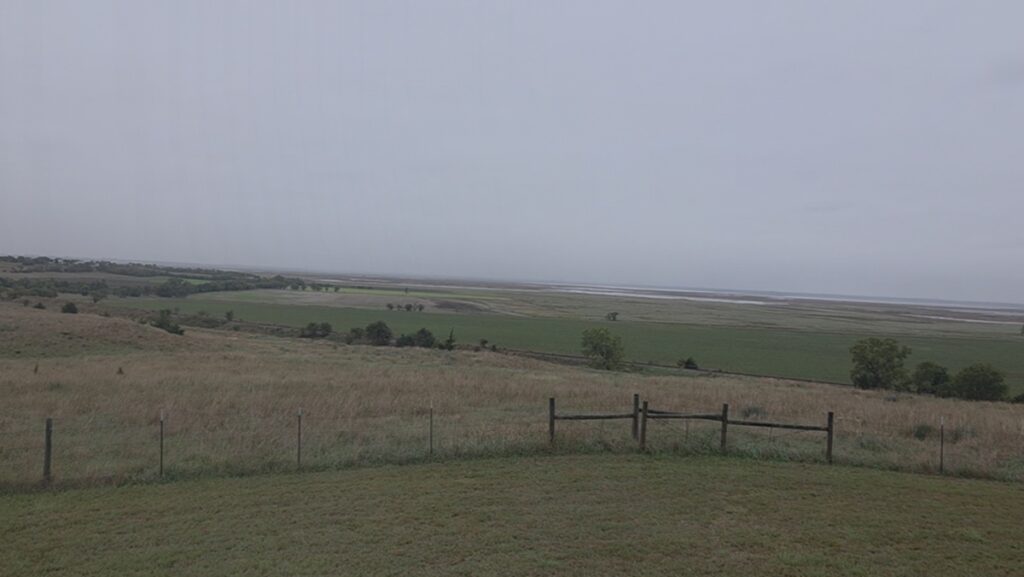
The Cheyenne Bottoms Scenic Overlook is located along Kansas Highway 4, near Hoisington. It’s a good place to begin your visit because it gives you a broader perspective of the basin and surrounding landscape. From here, you can appreciate just how large the wetland area is and get a sense of the habitat you’re about to visit. The landscape is relatively flat, with wide views across the prairie and wetlands.
Cheyenne Bottoms North Entrance
The north entrance provides access to The Nature Conservancy’s portion of Cheyenne Bottoms. This area offers a different perspective from the managed pools of the state wildlife area, with prairie and wetland habitat that changes depending on water conditions.
We spent time driving the roads, looking for birds, and enjoying the landscape. One of the things I appreciated about this area was the opportunity to slow down and watch for wildlife without feeling rushed. If you’re visiting during migration, keep an eye out for birds feeding in shallow water, flying overhead, or resting along the wetland edges.
Kansas Wetlands Education Center
The Kansas Wetlands Education Center is an excellent stop for learning more about the wetlands, the wildlife that depends on them, and the conservation work taking place in the region. Located along Kansas Highway 156, the center features exhibits about wetland ecology, migration, and the importance of Cheyenne Bottoms.
We stopped here during our visit, and the center was open, so we were able to spend time inside. Although we didn’t see many birds around the center itself, there are outdoor viewing opportunities and a bird trail where visitors may encounter wildlife. I’d recommend stopping here, especially if you’re interested in understanding more about the habitat and why so many birds depend on this part of Kansas. It’s also a useful place to learn about seasonal conditions and what wildlife may be present during your visit.
Cheyenne Bottoms East Entrance
The east entrance provides access to the state-managed portion of the wetlands, where you’ll find roads passing between managed pools and areas of shallow water. This is an excellent area for birdwatching from your vehicle, particularly when waterbirds are present. We spent time driving through the area, stopping regularly to scan the water and surrounding vegetation. One advantage of visiting Cheyenne Bottoms is that you don’t always need to walk long distances to see birds.
Depending on water levels and seasonal conditions, you may find birds relatively close to the road. Bring binoculars and take your time. It’s easy to miss birds when you’re driving past large areas of water and vegetation.
Cheyenne Bottoms Observation Tower
The observation tower near the east entrance provides an elevated perspective of the surrounding wetlands. It’s a useful stop for scanning larger areas and looking for birds that may be difficult to see from road level. Depending on the season, you may spot waterfowl, shorebirds, wading birds, and other wildlife in the surrounding pools.
We visited on a particularly windy day, which made standing outside less comfortable than we’d hoped. Still, having a different vantage point was worthwhile.
Best Time to Visit Cheyenne Bottoms
The best time to visit Cheyenne Bottoms depends on which birds you want to see. Although birdwatching is possible throughout the year, spring and fall migration provide some of the best opportunities.
Spring Migration in April and May
April and May are prime months for birdwatching at Cheyenne Bottoms, particularly if you’re interested in shorebirds.
During spring migration, birds travel north toward their breeding grounds, stopping at the wetlands to rest and feed. One of the biggest advantages of visiting in spring is the opportunity to see many birds in their breeding plumage.
For birdwatchers and photographers, this can be a particularly rewarding time because some species display brighter colors and distinctive markings. Shorebirds such as sandpipers, dowitchers, and avocets may be present in good numbers when water conditions are favorable.
If I were planning another trip specifically for shorebirds, spring would be my first choice.
Fall Migration in September and October
September and October are also excellent months to visit as birds migrate south toward their wintering grounds. We visited in October and encountered large concentrations of American Coots, Franklin’s Gulls, American White Pelicans, and several species of ducks.
Fall migration can be less predictable because the timing varies between species, and birds may move through at different times depending on weather and water conditions. Even so, our experience showed just how rewarding an October visit can be.
Other Places to Visit Near Cheyenne Bottoms
If you’re visiting Cheyenne Bottoms for birdwatching, I highly recommend including Quivira National Wildlife Refuge in your itinerary. Located south of Cheyenne Bottoms, Quivira protects salt marshes, wetlands, and prairie habitat that attract migrating birds.
The two destinations complement each other because they offer different habitats and wildlife viewing opportunities. We planned our trip so we could spend a full day at Cheyenne Bottoms, then continue to Quivira the following day.
FAQs About Visiting Wichita
Final Thoughts
Cheyenne Bottoms was definitely one of the highlights of our Kansas birdwatching trip. Despite the cold and windy weather, seeing hundreds of American Coots, Franklin’s Gulls, and American White Pelicans was an experience I won’t forget. I loved being able to drive around, stop whenever we spotted something interesting, and simply enjoy the wildlife and wide-open landscapes. With 40 bird species identified, I’d say we had a pretty successful visit.
If you enjoyed my post, follow me on social media or subscribe to my newsletter below so you can stay connected on future posts, trips, tips, and more.
