

Visiting Tallgrass Prairie National Preserve in Kansas
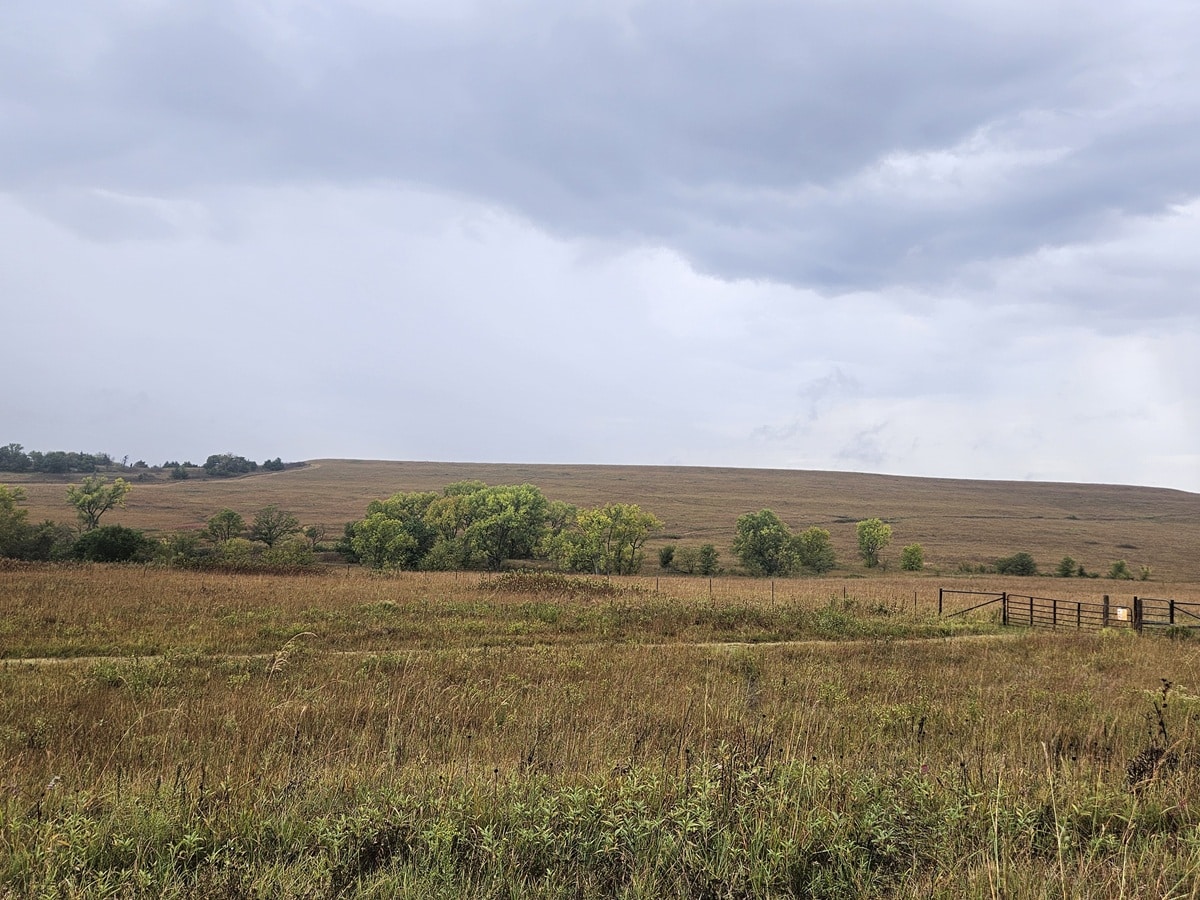
For wide-open landscapes in the Kansas Flint Hills, Tallgrass Prairie National Preserve is one of the best places to experience them. With miles of hiking trails, rolling hills, historic buildings, and opportunities to see wildlife and birds, it’s a wonderful destination for anyone who enjoys spending time outdoors.
Located near Strong City and Cottonwood Falls, the preserve protects one of the last remaining areas of native tallgrass prairie in North America. During our six-day Kansas road trip, we spent time hiking several trails at Tallgrass Prairie National Preserve. It was incredibly windy, which didn’t help our birdwatching, but we still enjoyed the scenery and spotted a few raptors along the way.
We visited after spending the previous day at Maxwell Wildlife Refuge, McPherson State Fishing Lake, and Marion Reservoir. We’d also visited Cheyenne Bottoms and Quivira National Wildlife Refuge earlier in our trip for some great birdwatching and outdoor experiences.
Disclaimer: This post may include affiliate links. If you click one of them, I may receive a small commission at no extra cost to you.
About Tallgrass Prairie National Preserve
Tallgrass Prairie National Preserve is located in the Flint Hills of eastern Kansas, approximately 80 miles northeast of Wichita. Established in 1996, the preserve protects nearly 11,000 acres of native tallgrass prairie, an ecosystem that once covered approximately 170 million acres of North America.
Today, less than 4% of the original tallgrass prairie remains intact, with much of it found in the Kansas Flint Hills. The preserve is managed through a partnership between the National Park Service and The Nature Conservancy.
One of the things that makes this area so special is its landscape. Instead of forests or mountains, you’re surrounded by rolling grasslands that stretch as far as you can see. The preserve is also home to bison, deer, coyotes, prairie birds, and many other wildlife species.
There are more than 40 miles of hiking trails, ranging from short nature walks to longer hikes across the prairie. Admission to Tallgrass Prairie National Preserve is free, making it an excellent stop on a Kansas road trip. You can find maps, visitor information, and current conditions on the official website.
Visiting the Tallgrass Prairie National Preserve Visitor Center
We started our visit at the Tallgrass Prairie National Preserve Visitor Center, which was a great introduction to the area. The center has informative exhibits about the prairie ecosystem, the history of the Flint Hills, and the plants and animals that live here.
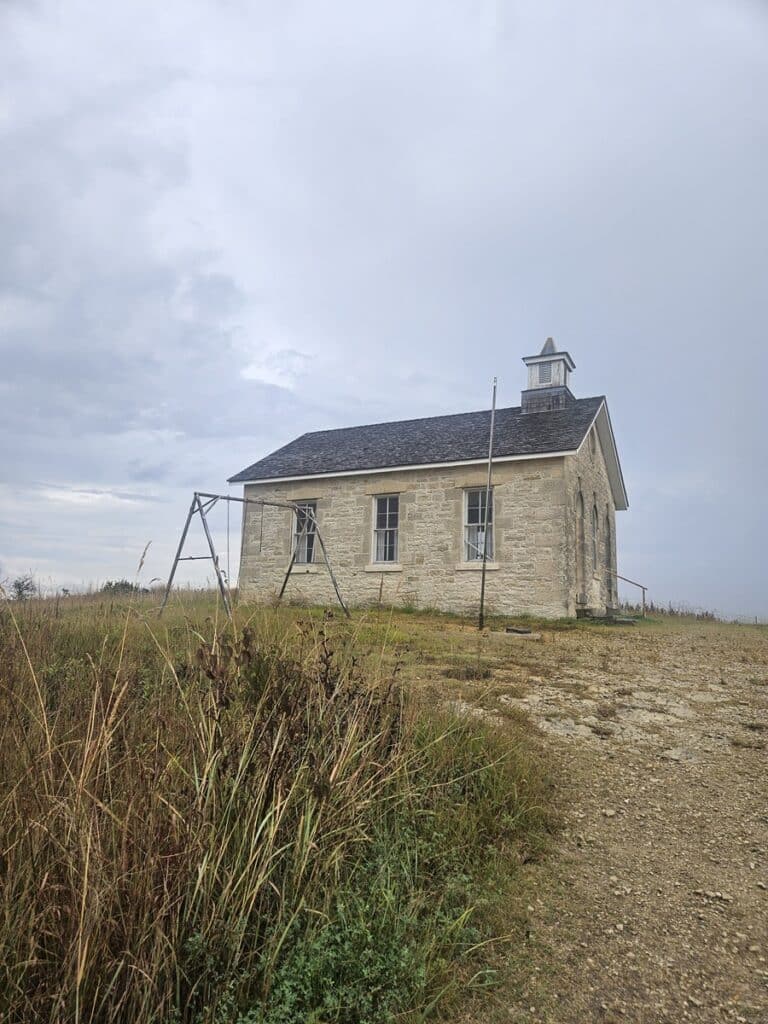
I definitely recommend stopping here before heading out onto the trails, especially if it’s your first visit. The preserve also includes the historic Spring Hill Ranch, with its limestone ranch house and barn, and the Lower Fox Creek Schoolhouse, a one-room school built in 1882. These buildings offer a glimpse into what life was like for the people who lived and worked in the Kansas Flint Hills.
Hiking at Tallgrass Prairie National Preserve
Hiking is one of the best ways to experience Tallgrass Prairie National Preserve. We completed three shorter hikes during our visit, each offering a different perspective of the landscape. The wind was incredibly strong that day, which made walking across the open prairie interesting! It also meant we didn’t see as many birds as we’d hoped. Still, we enjoyed getting out and experiencing the prairie on foot.
The Backcountry & Bison Pasture Trail is one that you can take that is much longer and you have a good chance of seeing bison. If you take this trail, make sure you keep a safe distance from the bison.
Southwind Nature Trail
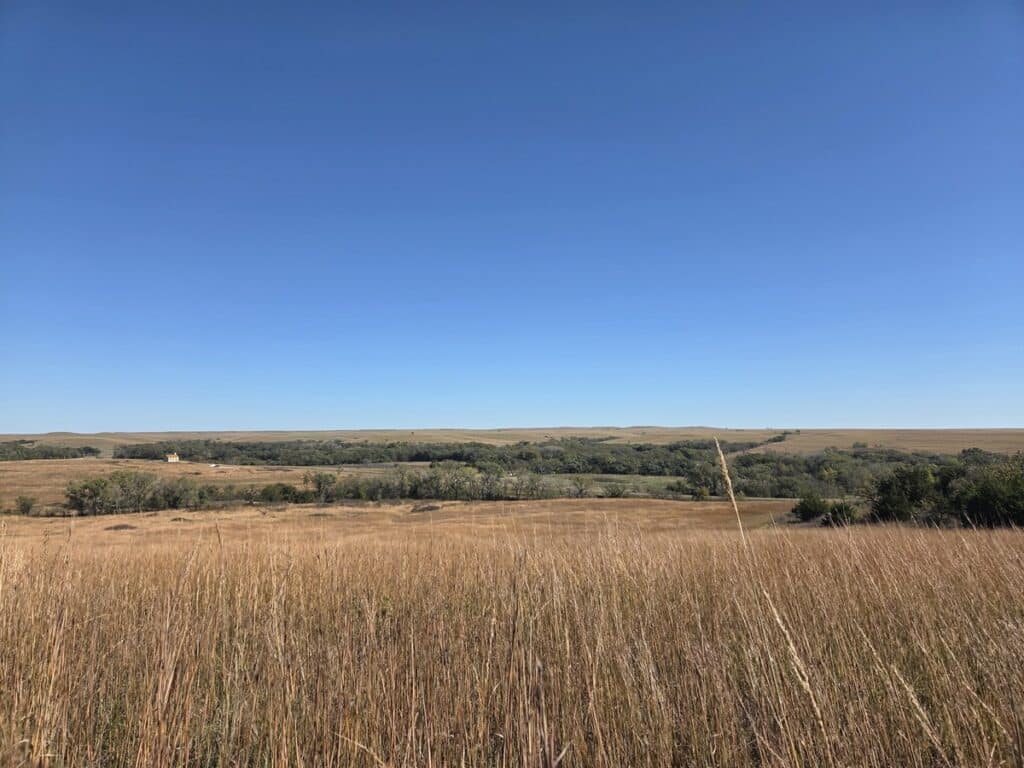
Our first hike was the Southwind Nature Trail, which we started near the historic Lower Fox Creek Schoolhouse. This trail is approximately 1.9 miles long and takes you through rolling prairie grasslands, with some gentle hills along the way. We walked uphill to an overlook that offered a beautiful view across the preserve.
This was one of my favorite parts of the hike. Being able to look out over the rolling prairie really gives you an appreciation for just how expansive the landscape is. The trail includes two scenic overlooks and passes through a mixture of grassland and lightly wooded areas. It’s a good choice if you want to experience the prairie without committing to one of the longer hikes.
Fox Creek Trail Short Loop
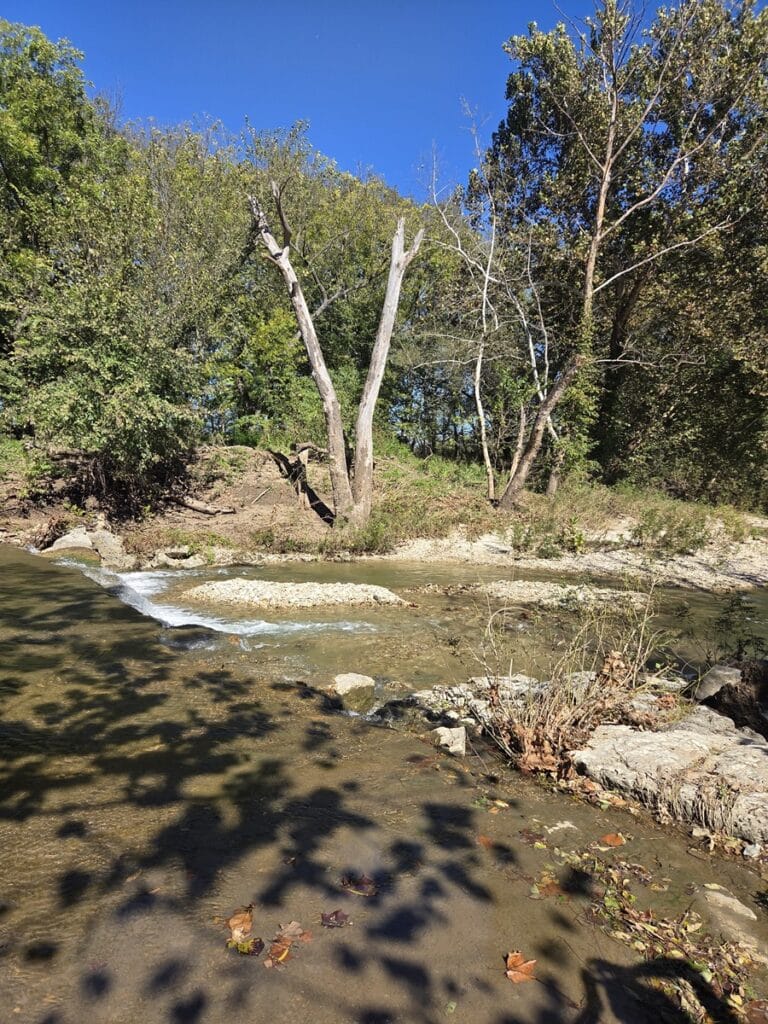
Our next hike was along the Fox Creek Trail, where we chose to walk a shorter section rather than completing the entire route. The full trail follows Fox Creek through prairie and creekside habitats. This hike felt different from Southwind Nature Trail because the terrain was flatter, with beautiful open grasslands surrounding us.
There were two creek crossings along the route we considered, and although the water wasn’t particularly deep, we decided not to cross. Instead, we turned around and enjoyed the walk back.
You don’t have to complete the entire Fox Creek Trail to appreciate the landscape. Even a shorter walk gives you a chance to experience the prairie away from the busier visitor areas. If you’re planning to hike this trail, check conditions before heading out, particularly after rain when creek crossings may be more challenging.
Bottomland Nature Trail
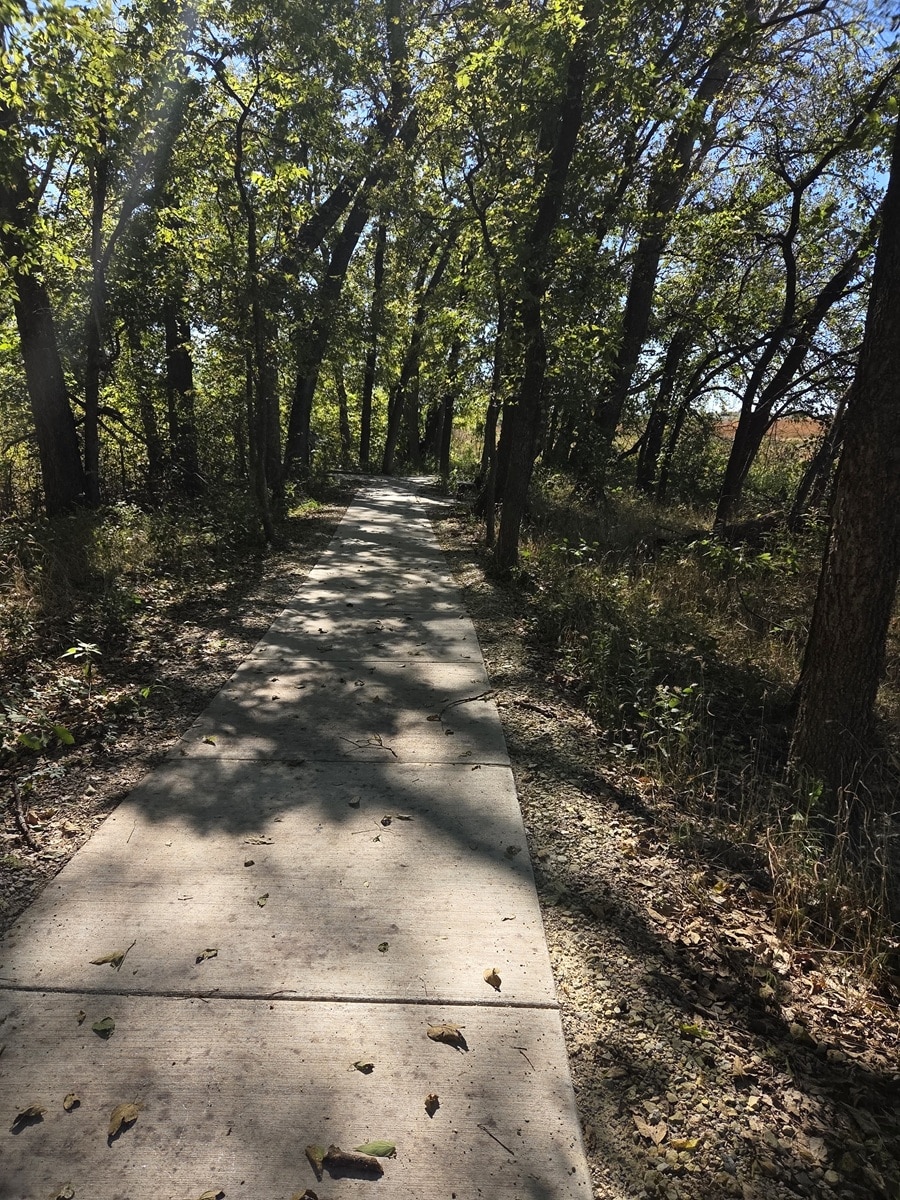
Our final hike was the Bottomland Nature Trail, which we reached by driving to a separate trailhead. This trail is approximately one mile long, with a figure-eight layout and a firm gravel surface that is accessible to many visitors in dry conditions. Compared with the other two hikes, Bottomland Nature Trail was a gentler walk.
The trail passes through restored prairie and a small wooded area, offering a different environment from the open hills we’d experienced earlier. We enjoyed the change of scenery and the opportunity to walk through a quieter, more sheltered area. There are also interpretive signs along the trail explaining the importance of the bottomland prairie ecosystem.
Birdwatching and Wildlife at Tallgrass Prairie National Preserve
Tallgrass Prairie National Preserve is a great destination for birdwatching in Kansas, particularly if you’re interested in grassland birds and raptors. During our October visit, it was incredibly windy, which likely contributed to the limited bird activity we experienced. We identified seven bird species while hiking through the preserve, including:
- Turkey Vultures
- Northern Harriers
- Northern Flicker
- Eastern Phoebe
- Eastern Bluebird
- Yellow-rumped Warbler
- Eastern Meadowlark
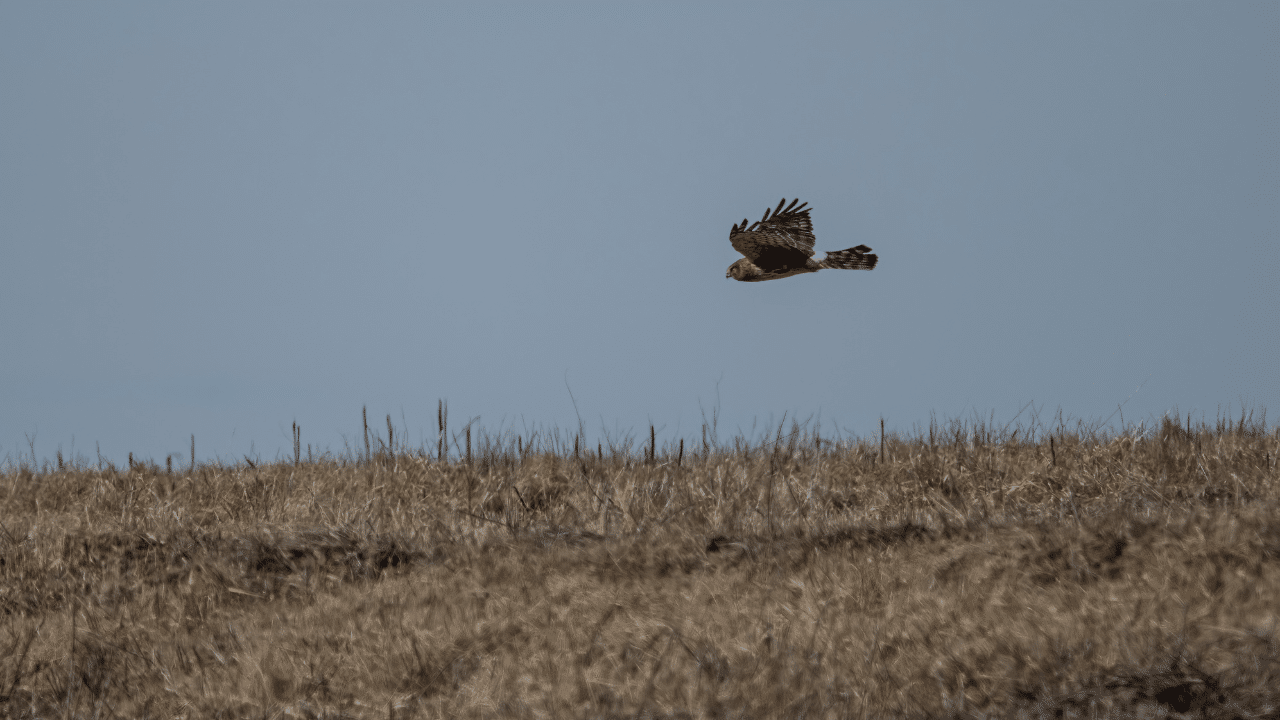
We particularly enjoyed watching the Northern Harrier flying over the prairie. These raptors often fly low over grasslands while searching for prey, making them interesting birds to watch. Although we didn’t see as many birds as we’d hoped, it was still a wonderful experience walking through the grasslands and enjoying the scenery.
The preserve provides habitat for many other species, including Grasshopper Sparrows, Dickcissels, and other grassland birds. Spring and early summer can be particularly rewarding for birdwatching, while fall offers opportunities to see migrating raptors.
If you’re interested in getting started with birdwatching, check out my guide to birding as a hobby.
Where to Stay Near Tallgrass Prairie National Preserve
There are several unique accommodations in the Kansas Flint Hills, and staying nearby gives you more time to enjoy the prairie and surrounding small towns.
Owl’s Nest Silo in Elmdale
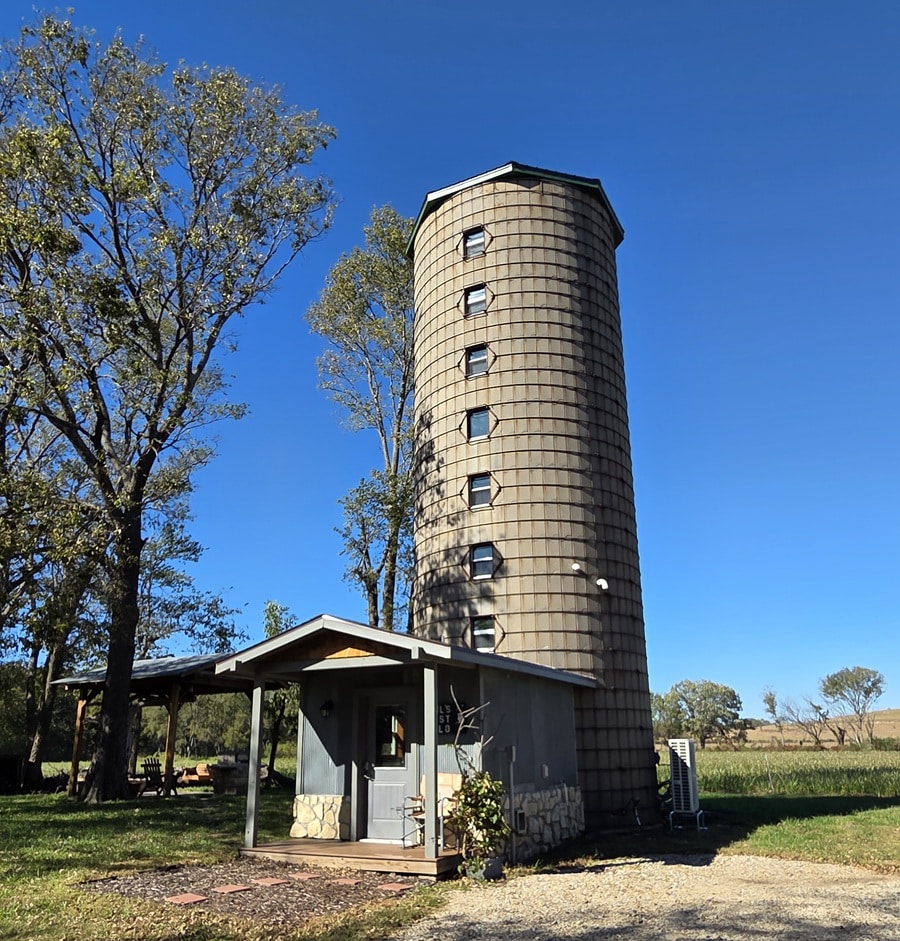
After our visit to Tallgrass Prairie National Preserve, we headed to Owl’s Nest Silo in Elmdale. And I have to say, this was one of the most amazing places I’ve ever stayed.
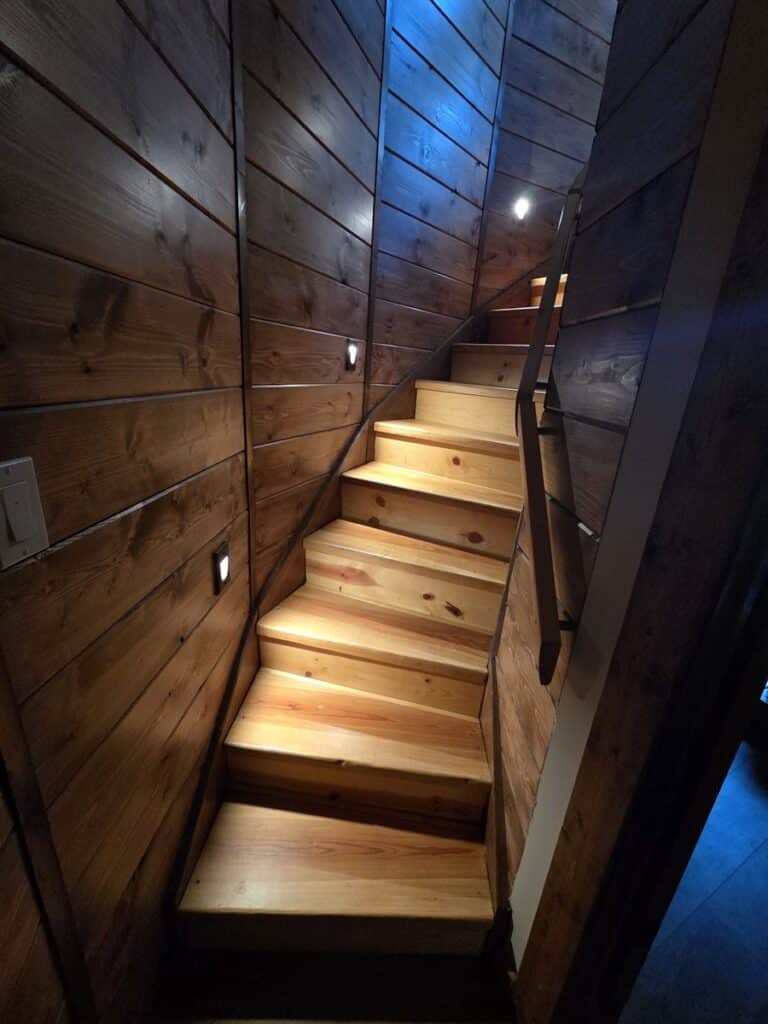
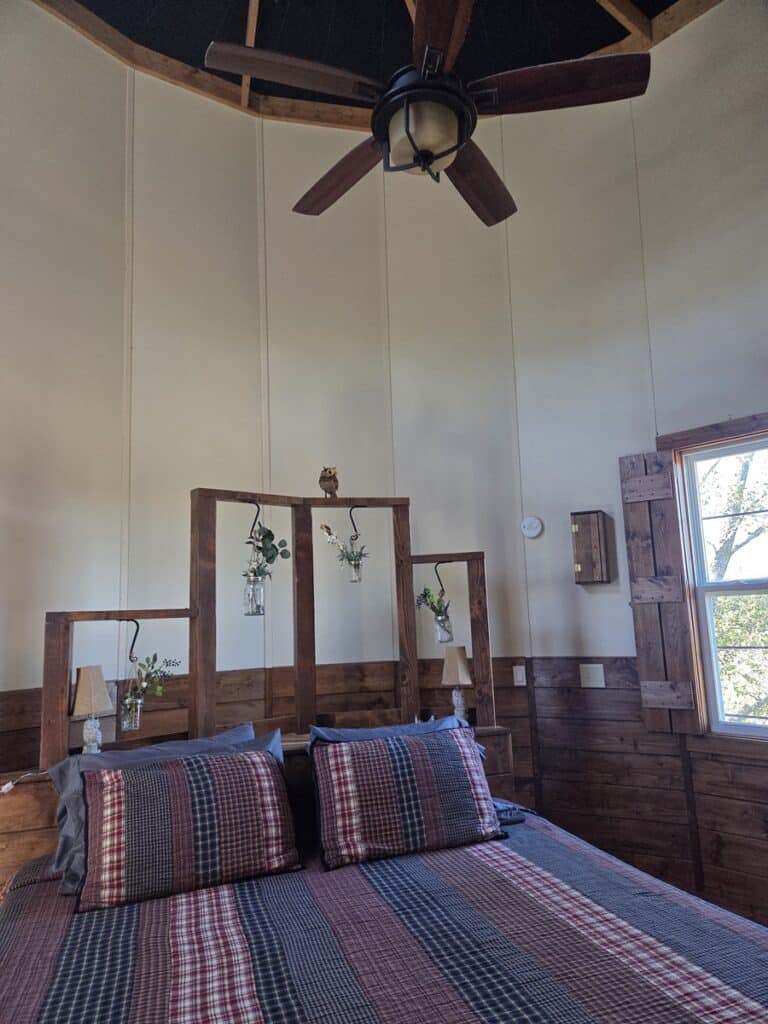
Owl’s Nest Silo is a converted 100-year-old concrete grain silo that has been transformed into a unique four-story accommodation. Standing approximately 45 feet tall, the silo has two bedrooms, one and a half bathrooms, and comfortable living spaces spread across its different levels.
The property sits on 40 acres in the Flint Hills, with wooded areas, walking trails, and access to Middle Creek. What makes this place so special is the combination of its unusual design and the peaceful natural surroundings. We absolutely loved staying here.
And for someone who enjoys birdwatching, the property was an added bonus. There were bird feeders attracting a wonderful variety of birds, and we identified 16 different species during our stay. Some of our favorite sightings included:
- Tufted Titmouse
- Pileated Woodpecker
- Red-shouldered Hawk
- Northern Cardinal
- White-breasted Nuthatch
- Black-capped Chickadee
- Eastern Bluebird
- Carolina Wren
My personal favorite was the Tufted Titmouse, a small gray songbird with a distinctive crest. I was thrilled to see one, especially since it’s not a bird I commonly encounter.
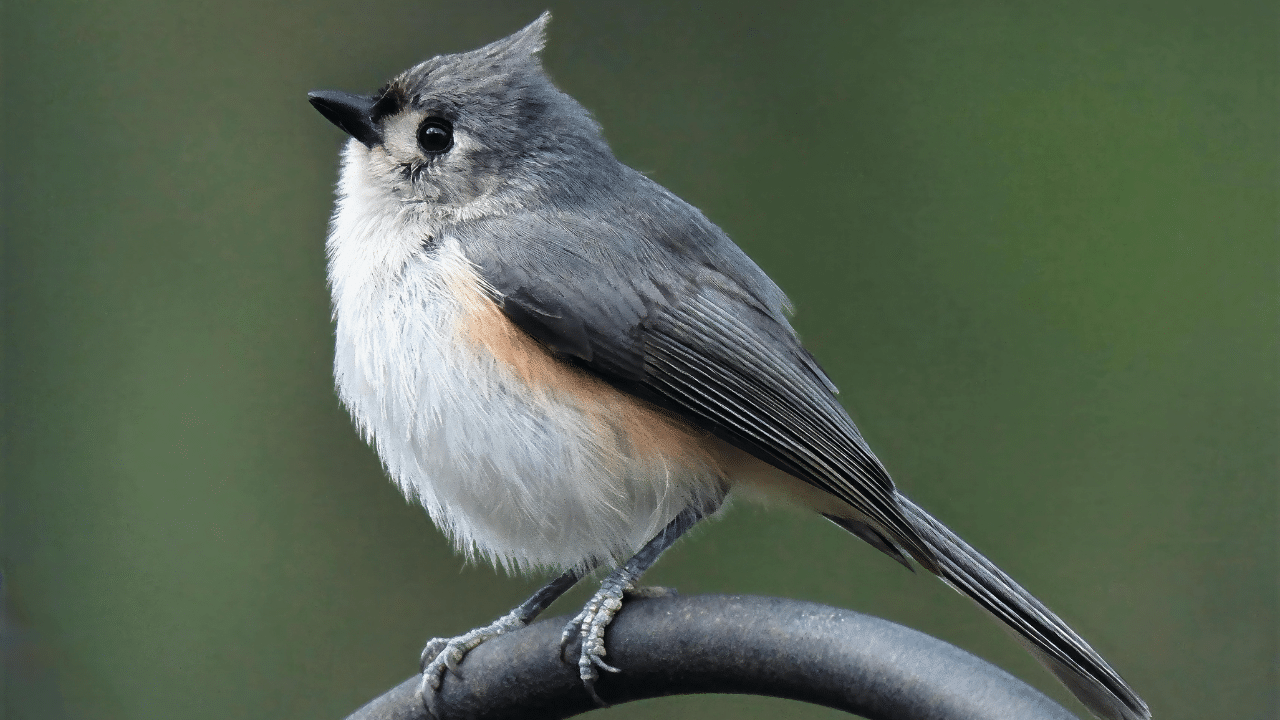
With 16 species, the birdwatching at Owl’s Nest Silo was a fantastic bonus after our windy day at the preserve.
Between Tallgrass Prairie National Preserve and Owl’s Nest Silo, we identified 19 unique bird species. If you’re looking for somewhere memorable to stay near Tallgrass Prairie National Preserve, I can’t recommend this place enough.
Frequently Asked Questions
Final Thoughts
Visiting Tallgrass Prairie National Preserve was another wonderful experience during our Kansas road trip. Despite the strong winds and fewer bird sightings than we’d hoped for, we loved hiking through the prairie and enjoying the viewsand different landscapes.
The wide-open spaces and peaceful surroundings made it a memorable place to visit. And ending the day at Owl’s Nest Silo, surrounded by nature and watching birds at the feeders, made it even better. If you enjoy hiking, wildlife, and unique places to stay, Tallgrass Prairie National Preserve is definitely worth adding to your Kansas itinerary.
If you enjoyed my post, follow me on social media or subscribe to my newsletter below so you can stay connected on future posts, trips, tips, and more.
