

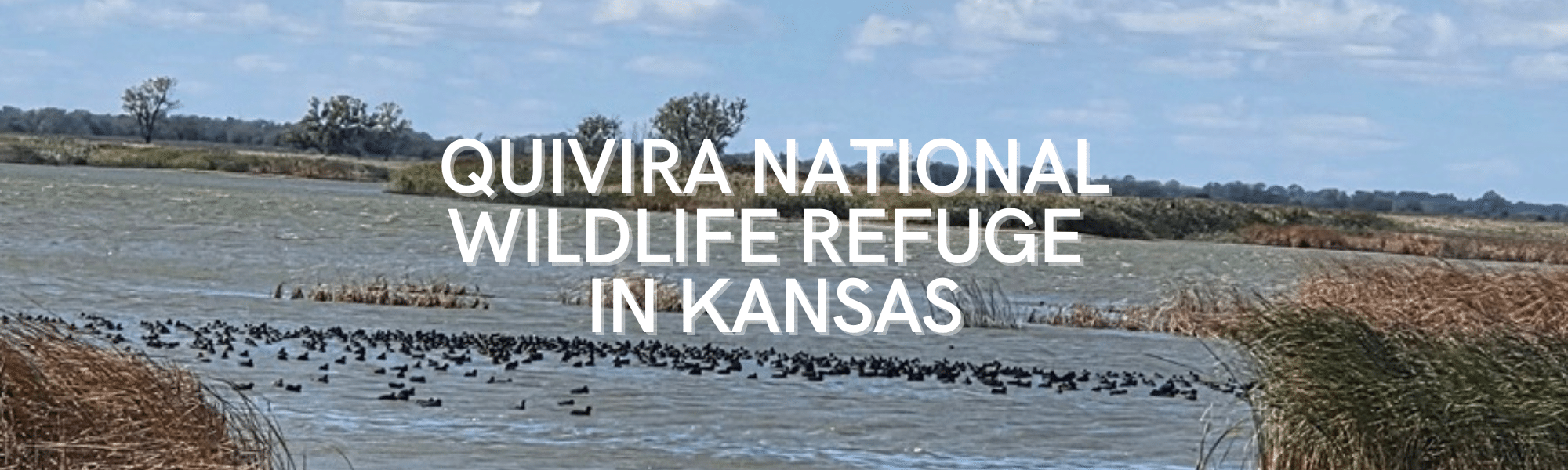
Quivira National Wildlife Refuge in Kansas
If you’re looking for incredible birdwatching opportunities in Kansas, Quivira National Wildlife Refuge should be on your itinerary. With salt marshes, grasslands, scenic drives, and hundreds of bird species recorded, it’s an important destination for migrating birds and nature lovers.
During our six-day road trip through South-Central Kansas, we visited Quivira after spending time at Cheyenne Bottoms. Both are important wetlands along the Central Flyway, but they offer different habitats and birdwatching experiences.
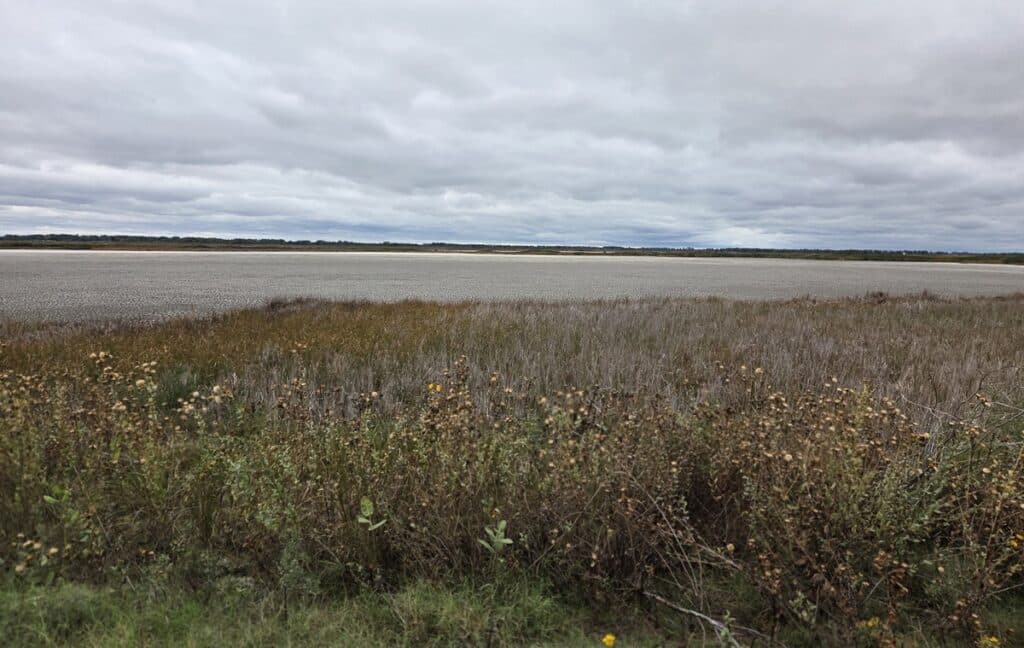
We split our visit over two days, exploring the northern and southern sections of the refuge. While Big Salt Marsh was completely dry during our visit, Little Salt Marsh had plenty of water and bird activity. We identified 34 different bird species, spotted prairie dogs, and enjoyed driving through the open grasslands and wetlands.
If you’re planning to visit Quivira National Wildlife Refuge, here’s what you need to know about where to go, the birds you might see, the best time to visit, and how to make the most of your trip.
Disclaimer: This post may include affiliate links. If you click one of them, I may receive a small commission at no extra cost to you.
Where Is Quivira National Wildlife Refuge?
Quivira National Wildlife Refuge is located in south central Kansas, primarily in Stafford County, approximately 30 miles west of Hutchinson and about 90 miles northwest of Wichita.
The refuge covers more than 22,000 acres of wetlands, salt marshes, sand prairie, and grasslands. It’s managed by the U.S. Fish and Wildlife Service and is part of the National Wildlife Refuge System. Quivira is also one of the main destinations along the Wetlands and Wildlife National Scenic Byway, which connects it with Cheyenne Bottoms and other natural areas in central Kansas.
The refuge has several access roads, so it’s worth checking which entrance is closest to the area you want to visit. For maps, current road conditions, and visitor information, check the official Quivira National Wildlife Refuge website
Why Is Quivira National Wildlife Refuge Important?
Quivira National Wildlife Refuge was established in 1955 to provide important habitat for migratory birds traveling along the Central Flyway. The refuge protects approximately 22,135 acres, including wetlands, native grasslands, sand prairie, and salt marshes. About one-third of the refuge consists of wetlands, while more than 13,000 acres are grassland and meadow. What makes Quivira particularly interesting is the combination of freshwater and saline wetlands.
The Salt Marshes and Water Management
The refuge’s two main wetland areas are Big Salt Marsh and Little Salt Marsh. Unlike freshwater wetlands, salt marshes contain varying concentrations of salt, creating habitat for plants and wildlife adapted to these conditions. The salt comes from naturally occurring minerals carried through groundwater, while rainfall, evaporation, and water movement influence salinity levels.
Rattlesnake Creek is an important water source for the refuge, supplying Little Salt Marsh and other managed wetland areas. More than 80 water control structures help distribute water throughout the refuge’s wetlands. These systems support a variety of habitats, including shallow water, mudflats, and marsh vegetation used by migrating birds.
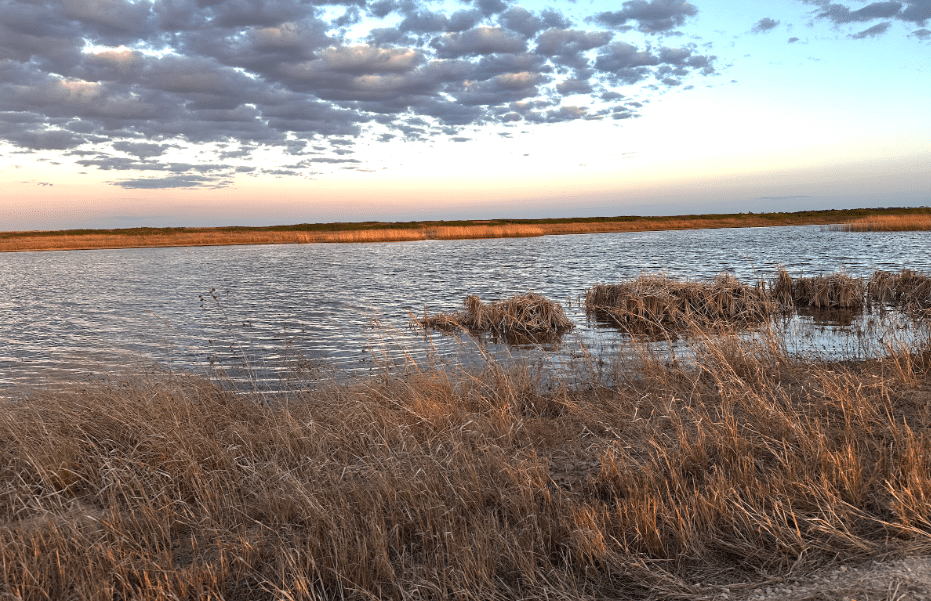
However, water levels still depend heavily on rainfall and seasonal conditions. We saw this firsthand during our October visit. Big Salt Marsh was completely dry, while Little Salt Marsh had water and plenty of bird activity. It’s a good reminder that visiting wetlands doesn’t always guarantee you’ll find water or birds in every area.
Birdwatching at Quivira National Wildlife Refuge
Quivira National Wildlife Refuge is an important stopover for birds migrating along the Central Flyway. The refuge provides feeding and resting habitat for waterfowl, shorebirds, cranes, pelicans, and other migratory species. Depending on the season, you may see large flocks of birds gathering in shallow wetlands, feeding along mudflats, or flying over the grasslands.
Birds We Saw at Quivira National Wildlife Refuge
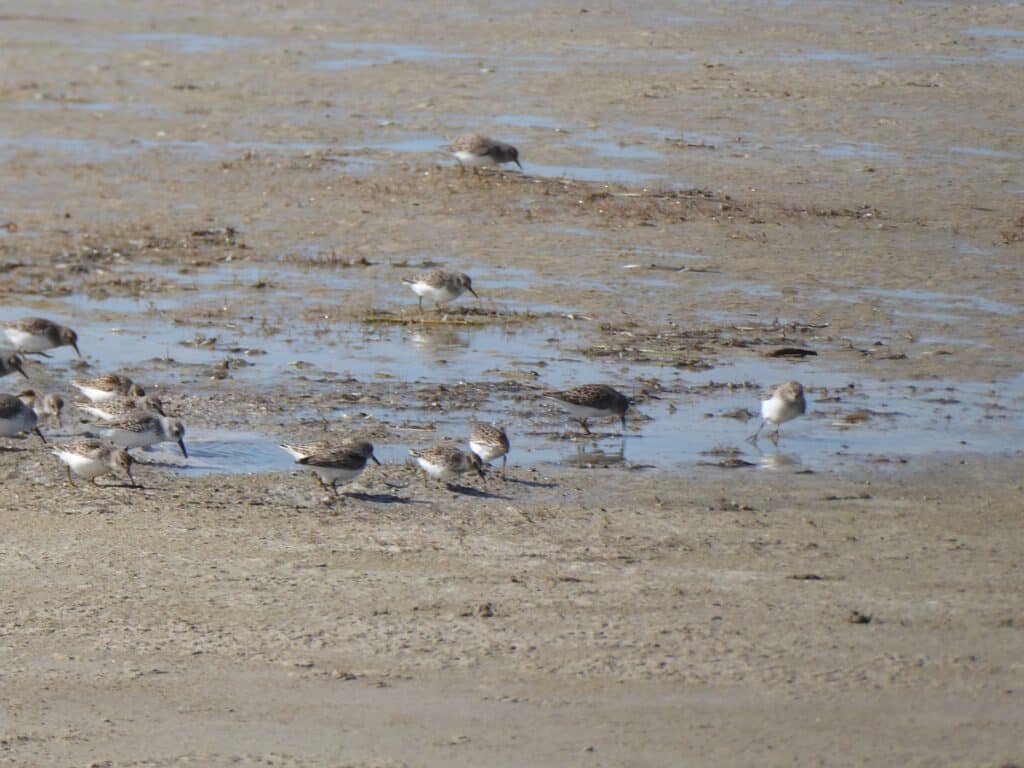
During our two-day visit in October, we identified 34 different bird species across the refuge. Although the dry conditions around Big Salt Marsh limited some of our birdwatching opportunities, we had much better luck around Little Salt Marsh. Some of our sightings included:
- American Coots, with approximately 200 observed together.
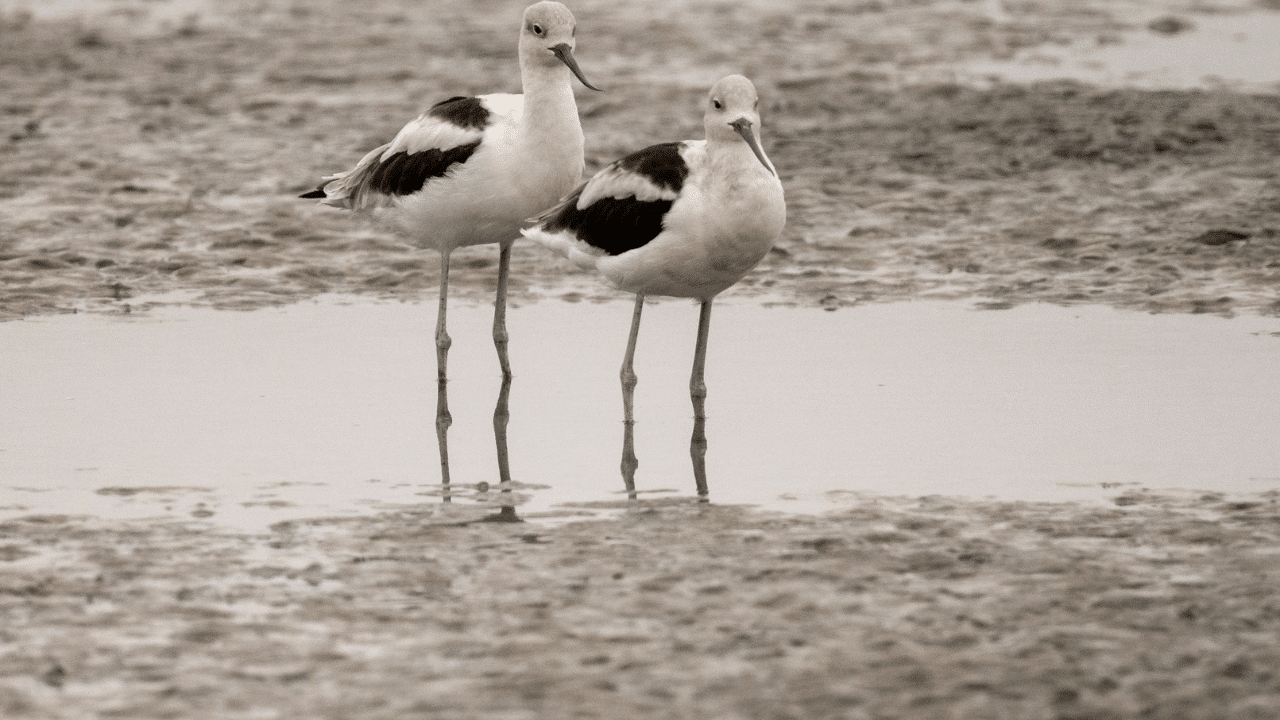
- American Avocets, including groups of up to 30.
- Ruddy Ducks, Gadwalls, Mallards, Northern Shovelers, and other waterfowl.
- Franklin’s Gulls and Ring-billed Gulls.
- Long-billed Dowitchers, Least Sandpipers, Pectoral Sandpipers, and Greater Yellowlegs.
- Great Blue Herons, Great Egrets, and White-faced Ibis.
- Northern Harriers, Red-tailed Hawks, a Broad-winged Hawk, and a Bald Eagle.
- American White Pelicans.
We also spotted smaller birds, including Pine Siskins, American Goldfinches, Savannah Sparrows, and Eastern Meadowlarks. I always enjoy seeing a mix of species, and Quivira gave us opportunities to watch everything from shorebirds feeding in shallow water to raptors flying over the grasslands.
If you’re newer to birdwatching, don’t worry about identifying everything you see. Sometimes it’s just as enjoyable to stop and watch the birds going about their day.
What Other Birds Can You See at Quivira?
Quivira is particularly well known for its migrating waterfowl, shorebirds, and cranes. Depending on the season and water conditions, birds you might encounter include:
- Whooping Cranes
- Sandhill Cranes
- Snow Geese
- Greater White-fronted Geese
- Black-necked Stilts
- Snowy Plovers
- Various sandpipers and other shorebirds
- Bald Eagles
One of the biggest attractions for birdwatchers is the possibility of seeing Whooping Cranes during migration. We weren’t fortunate enough to see any during our visit, but that doesn’t mean they aren’t worth looking for if you visit the end of October or November.
Our Experience Visiting Quivira National Wildlife Refuge
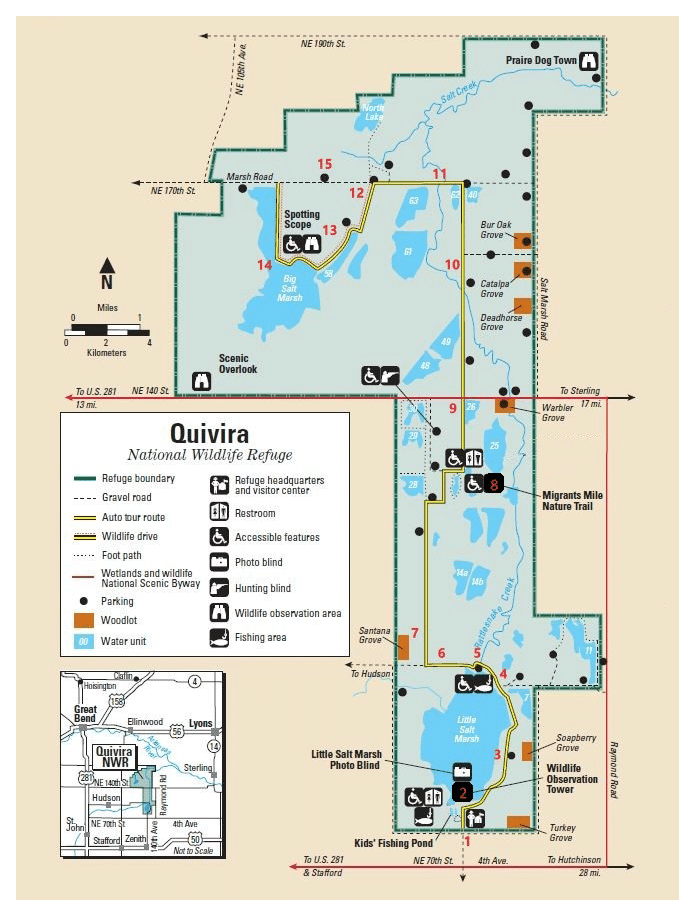
We spent parts of two days visiting Quivira, which gave us time to cover both the northern and southern sections without rushing. However, if you have a full day available, you can combine the main stops into one visit. This map helped us to plan our route and identify the different viewing areas.
Driving Through the Grasslands and Sand Hills
As we made our way toward Quivira, we drove through open grasslands and sand hills, including areas of Conservation Reserve Program grassland along the roads. These habitats provide opportunities to see grassland birds, raptors, and other wildlife. Even before reaching the main wetland areas, it’s worth keeping your binoculars nearby and watching for birds along the roadside.
During migration, Sandhill Cranes and Whooping Cranes may also be present in the wider region, although sightings are never guaranteed. We enjoyed the wide-open landscape and the opportunity to stop whenever something caught our attention.
Quivira Scenic Overlook
On our first day, we entered the northern part of the refuge from 140th Street and headed toward the Quivira Scenic Overlook. The overlook provides a broad view across the Big Salt Marsh area and surrounding grasslands. It’s a good place to appreciate the size of the refuge and scan for birds.
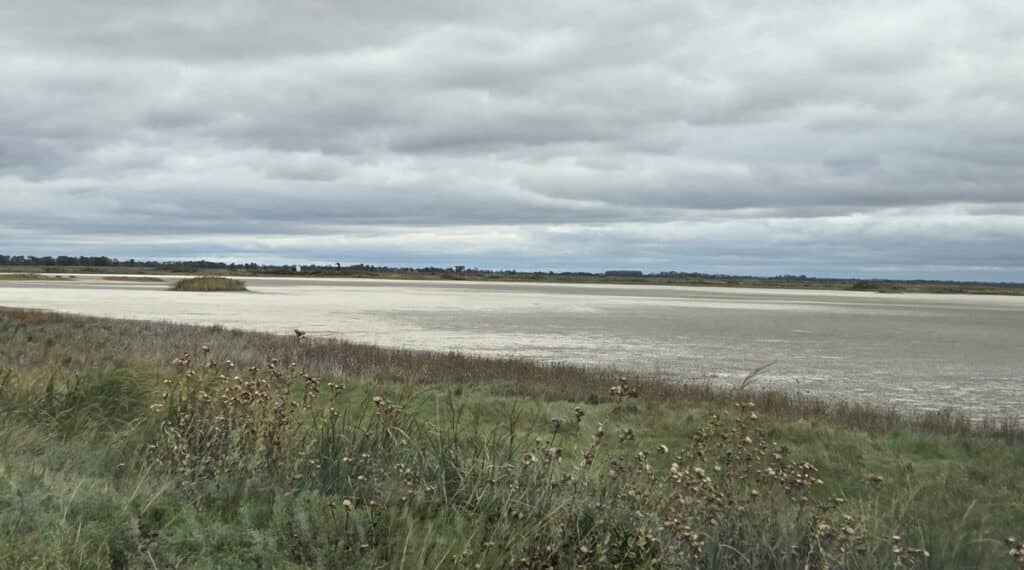
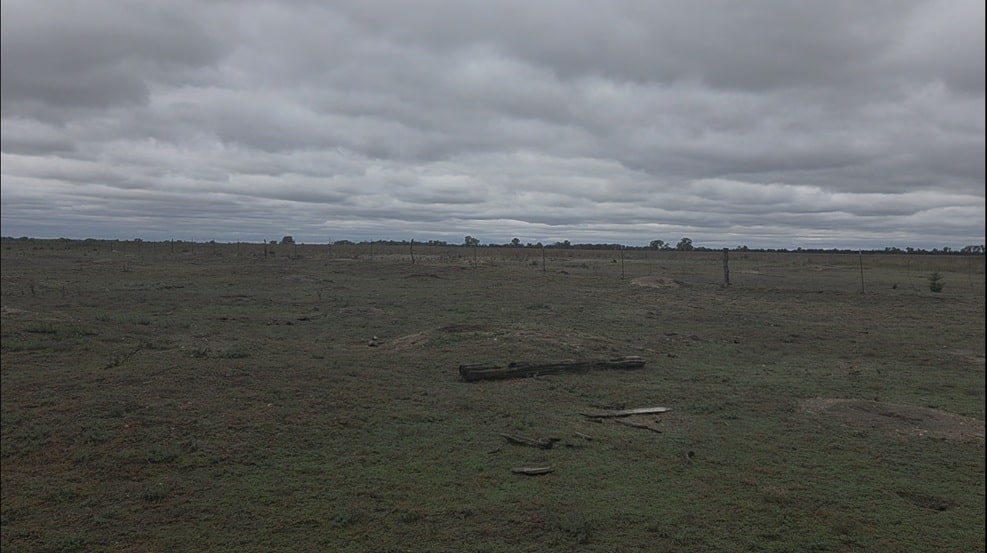
Unfortunately, during our visit, Big Salt Marsh was completely dry. While this meant fewer opportunities to see the large numbers of waterbirds we’d hoped for, it was still interesting to see the landscape and how different the marsh looked without water. The changing conditions are part of what makes these wetlands such a dynamic habitat.
Big Salt Marsh (Quivira Wildlife Drive)
Big Salt Marsh is one of the main wetland areas at Quivira and an important habitat for migrating birds. When water is present, its shallow pools and mudflats can attract shorebirds, ducks, cranes, and other waterbirds. The marsh is particularly important during spring and fall migration.
However, the amount of water can vary considerably depending on rainfall and seasonal conditions. The Quivira Wildlife Drive is a four-mile route through the Big Salt Marsh area and is one of the main wildlife viewing opportunities in the refuge. During our October visit, Big Salt Marsh was dry, so we didn’t see the concentrations of birds we were hoping for. We still spent time driving around the area and appreciating the surrounding grasslands. If you’re planning a visit, I’d recommend checking recent water conditions rather than assuming the marsh will be full.
Prairie Dog Town
One of the wildlife highlights was visiting Prairie Dog Town. We stopped to watch the prairie dogs moving around their burrows and interacting with one another. It was a fun change from birdwatching and a reminder that Quivira protects more than just wetland birds. The surrounding grasslands provide habitat for a variety of mammals, birds, and other wildlife. If you visit, watch the prairie dogs from a distance and avoid approaching their burrows.
Little Salt Marsh
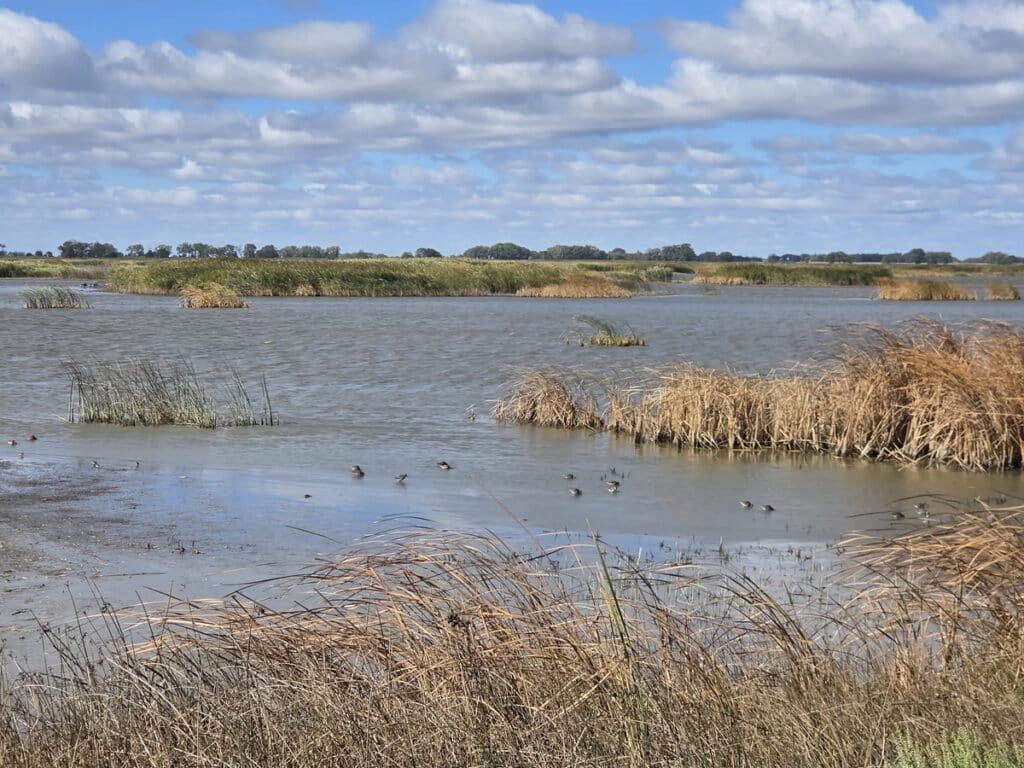
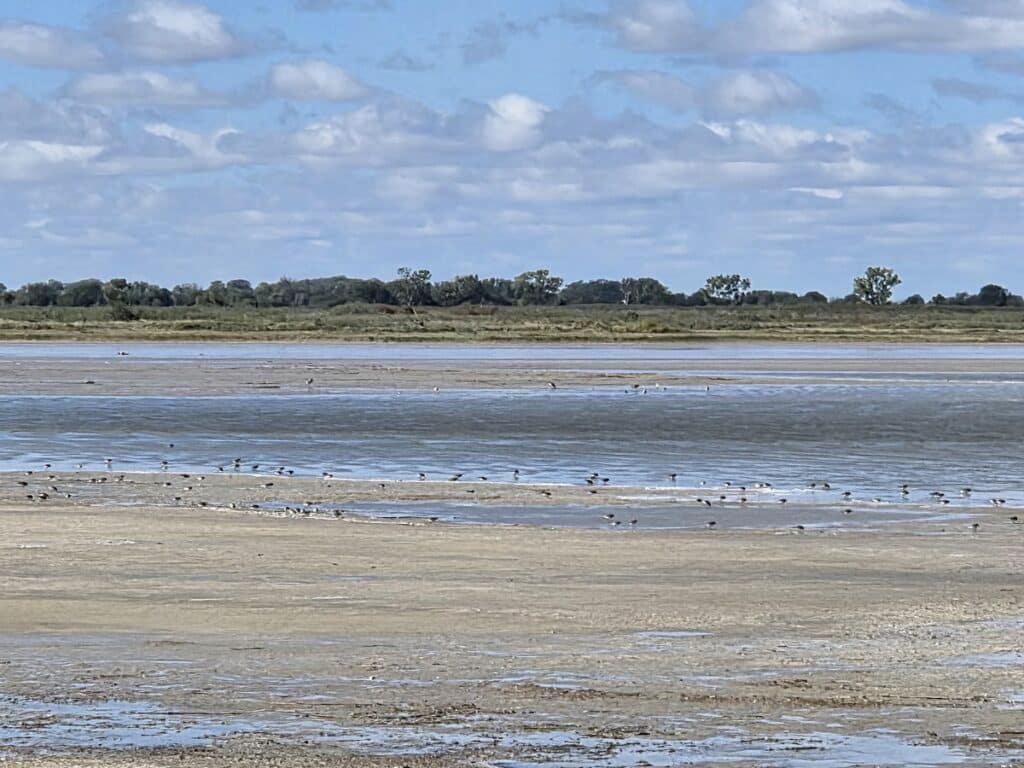
On our second day, we returned to Quivira and spent time in the southern section of the refuge around Little Salt Marsh. This was a completely different experience from Big Salt Marsh. There was plenty of water, and we found much more bird activity.
Little Salt Marsh covers approximately 900 acres and provides habitat for ducks, shorebirds, pelicans, cranes, and other wetland species. We spent time watching birds across the water and exploring the different viewing areas. For us, Little Salt Marsh was one of the most productive parts of the refuge.
Wildlife Observation Tower and Blind
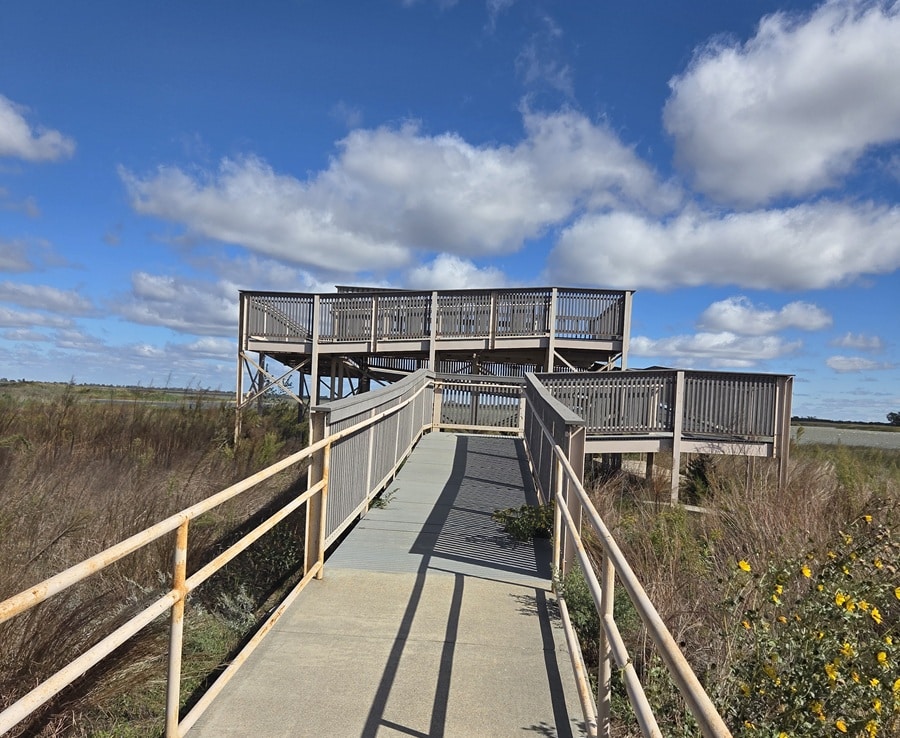
Near the Visitor Center, we visited the wildlife observation tower and viewing blind. These areas provide opportunities to watch birds and other wildlife without disturbing them. The observation tower offers an elevated view across the marsh, making it easier to scan the surrounding water and vegetation. The blind allows visitors to watch wildlife from a more concealed position. Both are worth visiting if you enjoy birdwatching or wildlife photography. We appreciated having different viewing perspectives, especially with the amount of bird activity around Little Salt Marsh.
Migrants Mile Nature Trail
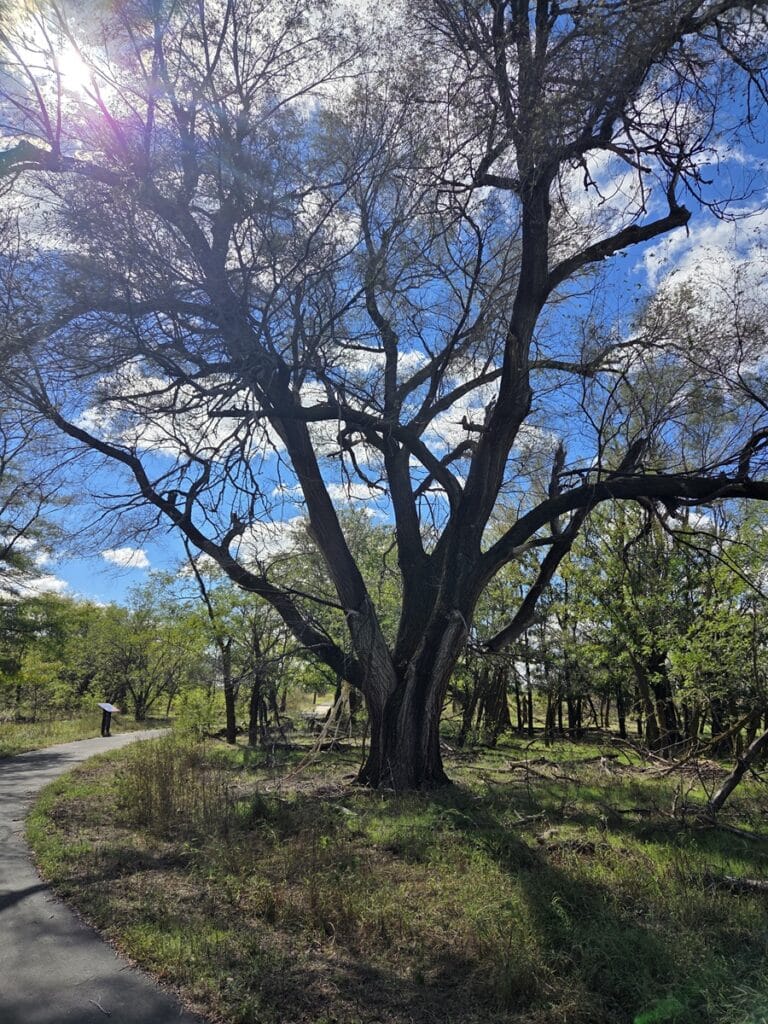
After spending so much time driving around the refuge, it was nice to get out and stretch our legs on the Migrants Mile Nature Trail. This easy trail is approximately 1.1 miles long and passes through a combination of woodlands, grasslands, and marsh habitat. The trail includes boardwalk sections that cross wetland areas, providing opportunities to look for birds and other wildlife.
We enjoyed being able to walk through a different part of the refuge rather than viewing everything from the vehicle. There are also restrooms in the visitor center area, which is helpful when spending a full day visiting the refuge.
Best Time to Visit Quivira National Wildlife Refuge
Spring and fall are generally the best times for birdwatching at Quivira because of the large numbers of migrating birds passing through the Central Flyway. However, different species migrate at different times, and water levels can influence where birds gather.
Spring Migration
Spring migration typically runs from March through May, depending on the species.
Waterfowl, cranes, and shorebirds move north toward their breeding grounds, using Quivira’s wetlands as resting and feeding areas. Late March through mid-April is one of the periods when Whooping Cranes may pass through the refuge.
April and May are also excellent months for shorebirds, particularly if you’re hoping to see birds in their breeding plumage. For wildlife photographers, spring can be especially rewarding because many birds have brighter colors and more distinctive markings.
Fall Migration
September through November is another excellent period for birdwatching at Quivira. Birds travel south toward their wintering grounds, stopping at the refuge to rest and feed. Fall migration can bring large numbers of ducks, shorebirds, pelicans, and cranes.
One of the reasons Quivira is well known among birdwatchers is its importance to migrating Whooping Cranes. These birds generally pass through the region during late October through mid-November, with spring migration occurring from late March through mid-April.
Where to Stay Near Quivira National Wildlife Refuge
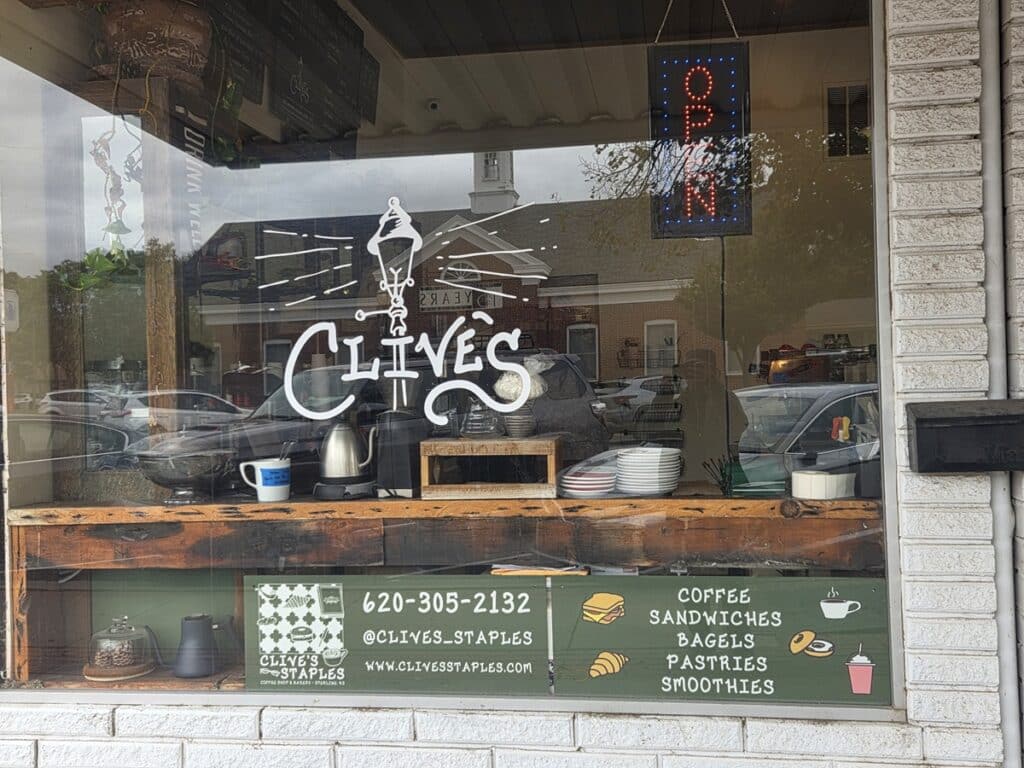
After our time around Cheyenne Bottoms, we stayed in Sterling, Kansas, at Sterling Lake House. It is a great little town and a convenient base for visiting the refuge. Make sure you check out Clive’s for a great beverages and amazing treats.

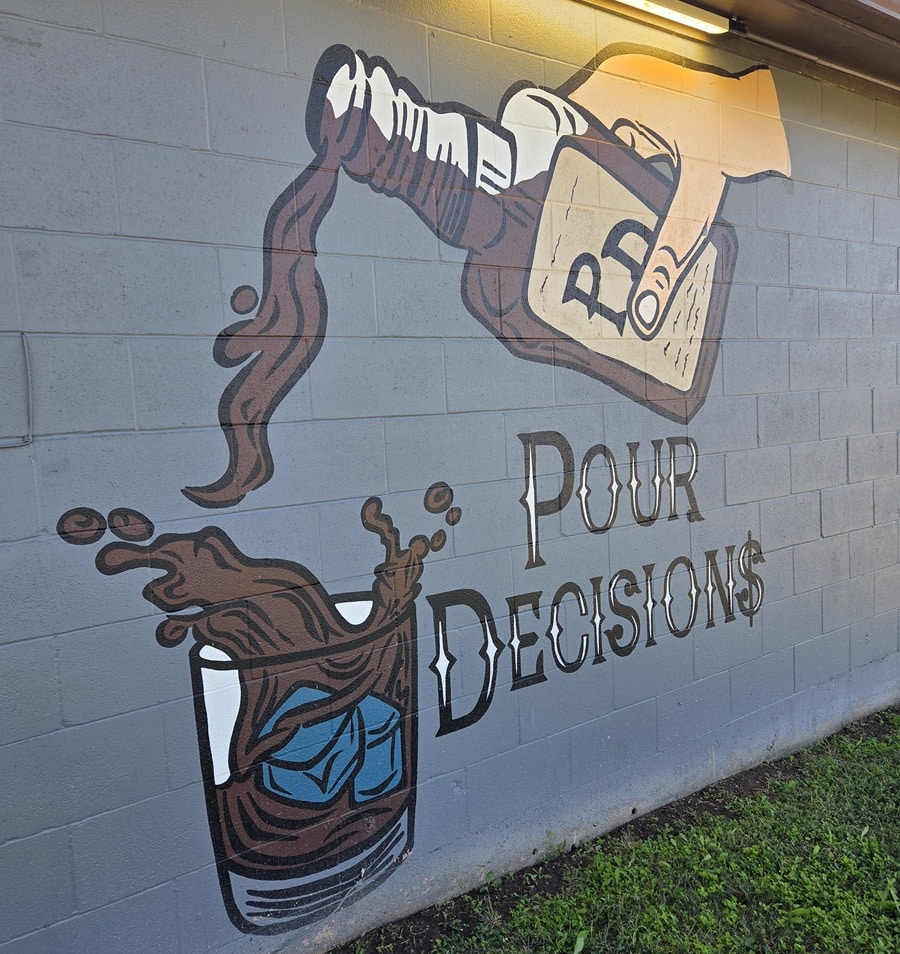
While staying in the area, we also spent time in the nearby town of Lyons. One of the fun roadside attractions we visited was the World’s Largest Salt Shaker, a quirky stop that fits nicely with a trip through Kansas’ salt marsh region. We also visited Pour Decisions, a great local bar where we enjoyed spending some time.

These little stops are part of what I enjoy about road trips. You never know what you’ll find when you take time to visit smaller towns along the way.
Tips for Visiting Quivira National Wildlife Refuge
- Check water conditions before visiting. Big Salt Marsh was completely dry during our visit, while Little Salt Marsh had plenty of water and bird activity.
- Allow a full day if possible. The refuge covers a large area, and you’ll want time to stop for birds and visit the different observation points.
- Bring binoculars and a camera. Some birds may be far from the road or viewing structures. If you’re looking for equipment suggestions, check out my guide to cameras for bird photography.
- Visit during migration. Spring and fall provide some of the best opportunities to see large numbers of birds.
- Prepare for changing weather. Kansas can be windy, especially in open grassland and wetland areas. Bring layers and a windproof jacket.
- Download the refuge map before arriving. Cell service may be limited in some areas, and having a map makes it easier to find the different entrances and observation points.
- Drive slowly and watch the roadsides. Wildlife can appear anywhere, including the grasslands between the main wetland areas.
- Respect wildlife and stay on designated routes. Give birds and other animals space, particularly during migration when they need to conserve energy.
FAQs About Visiting Wichita
Final Thoughts
Quivira National Wildlife Refuge was another memorable stop on our Kansas birdwatching trip. Even though Big Salt Marsh was completely dry, Little Salt Marsh more than made up for it with plenty of birds and wildlife activity. Seeing prairie dogs, spotting a Bald Eagle, and identifying 34 bird species made the visit worthwhile. I loved being able to take our time driving through the refuge, stopping whenever we spotted something interesting, and getting out for a walk along Migrants Mile Nature Trail.
If you enjoy birdwatching and spending time outdoors, Quivira National Wildlife Refuge is worth including in your Kansas road trip. Just remember that water conditions and wildlife sightings can change, and sometimes that’s part of the adventure.
If you enjoyed my post, follow me on social media or subscribe to my newsletter below so you can stay connected on future posts, trips, tips, and more.
